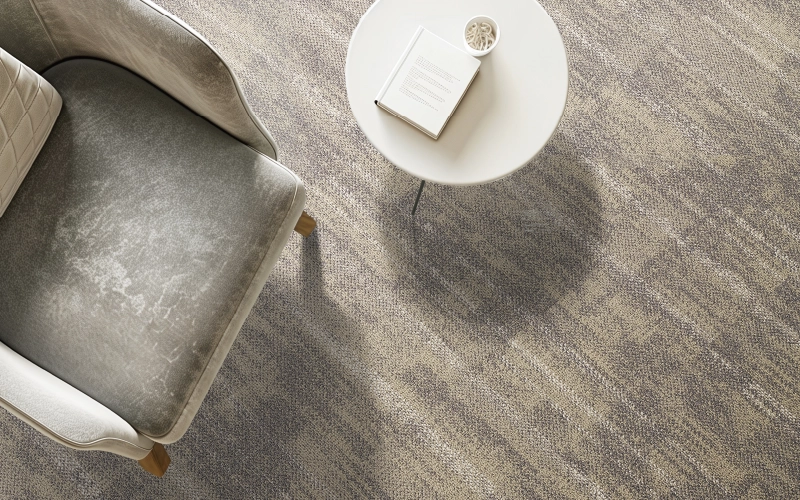
High-traffic areas demand more from flooring than any other environment. Offices, schools, airports, hotels, shopping malls, and healthcare facilities all experience constant foot traffic, rolling chairs, carts, and daily wear. Choosing the best carpet tiles for high traffic is not just about appearance — it is about durability, maintenance, long-term cost, and user comfort.
This in-depth guide explains everything you need to know to select the right carpet tiles for high-traffic areas, including materials, construction, backing systems, design strategies, real-world scenarios, and maintenance considerations.
1. What Are High-Traffic Areas?
Before selecting the best carpet tiles for high traffic, it is important to define what “high traffic” actually means.
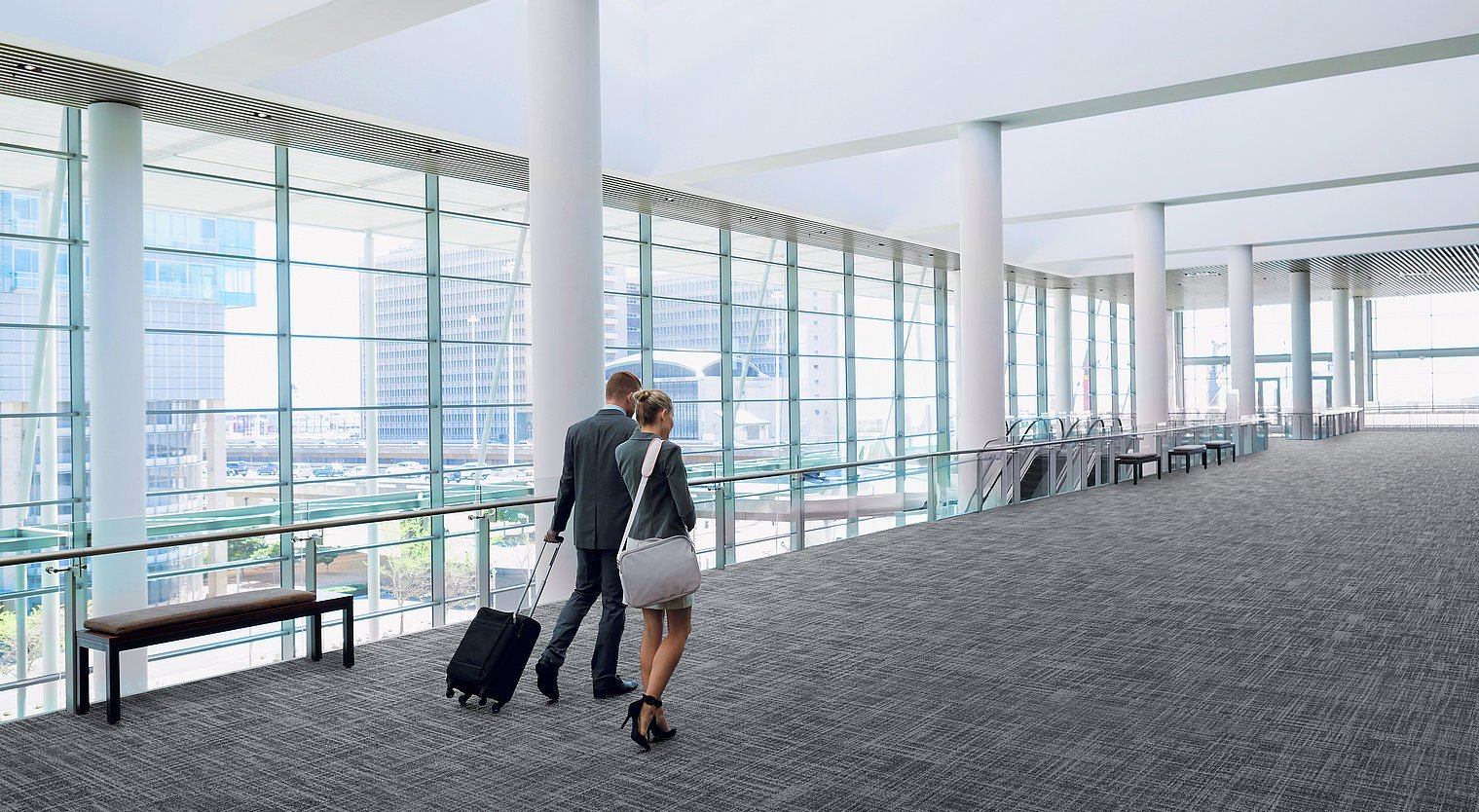
High-traffic areas typically include:
-
Office corridors
-
Hotel lobbies
-
Retail stores
-
Schools and universities
-
Hospitals and clinics
-
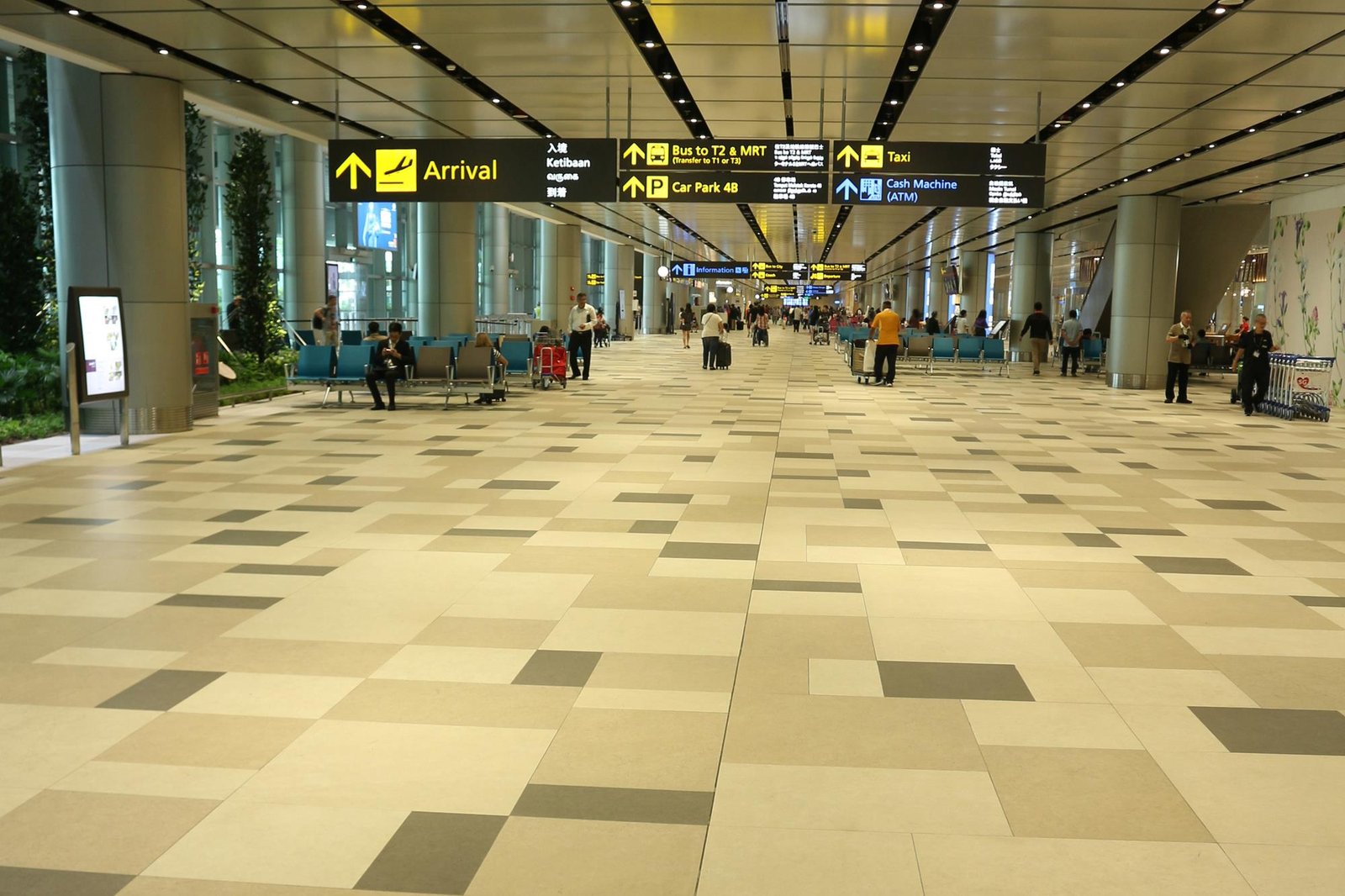
Airports and transportation hubs
-
Conference centers
-
Coworking spaces
These environments share three challenges:
-
Constant foot movement
-
Frequent cleaning
-
High visibility of wear
Flooring in these spaces must balance durability with aesthetics.
2. Why Carpet Tiles Are Ideal for High-Traffic Spaces
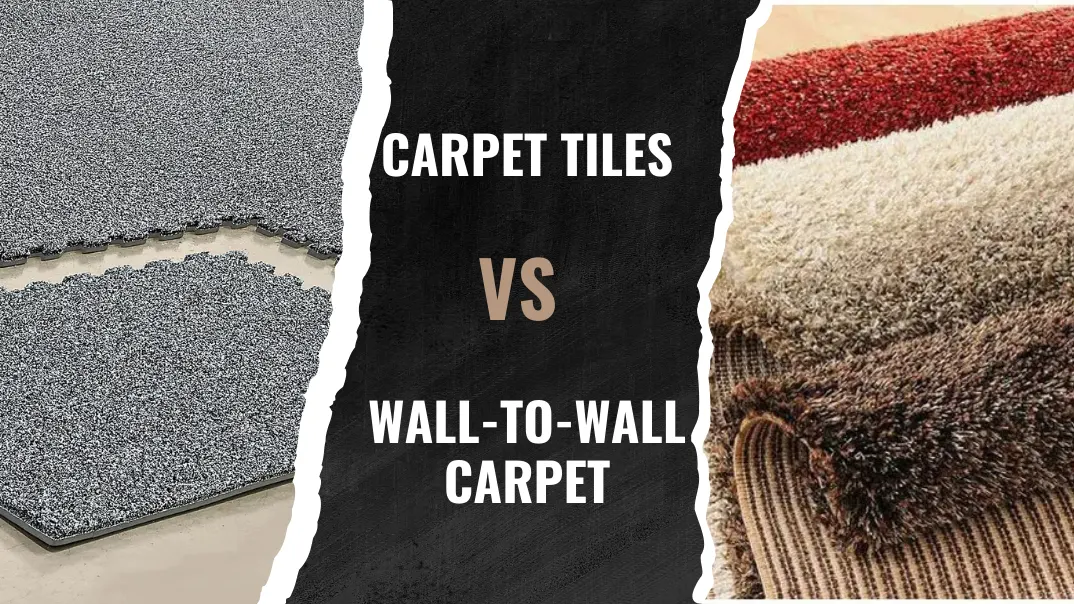
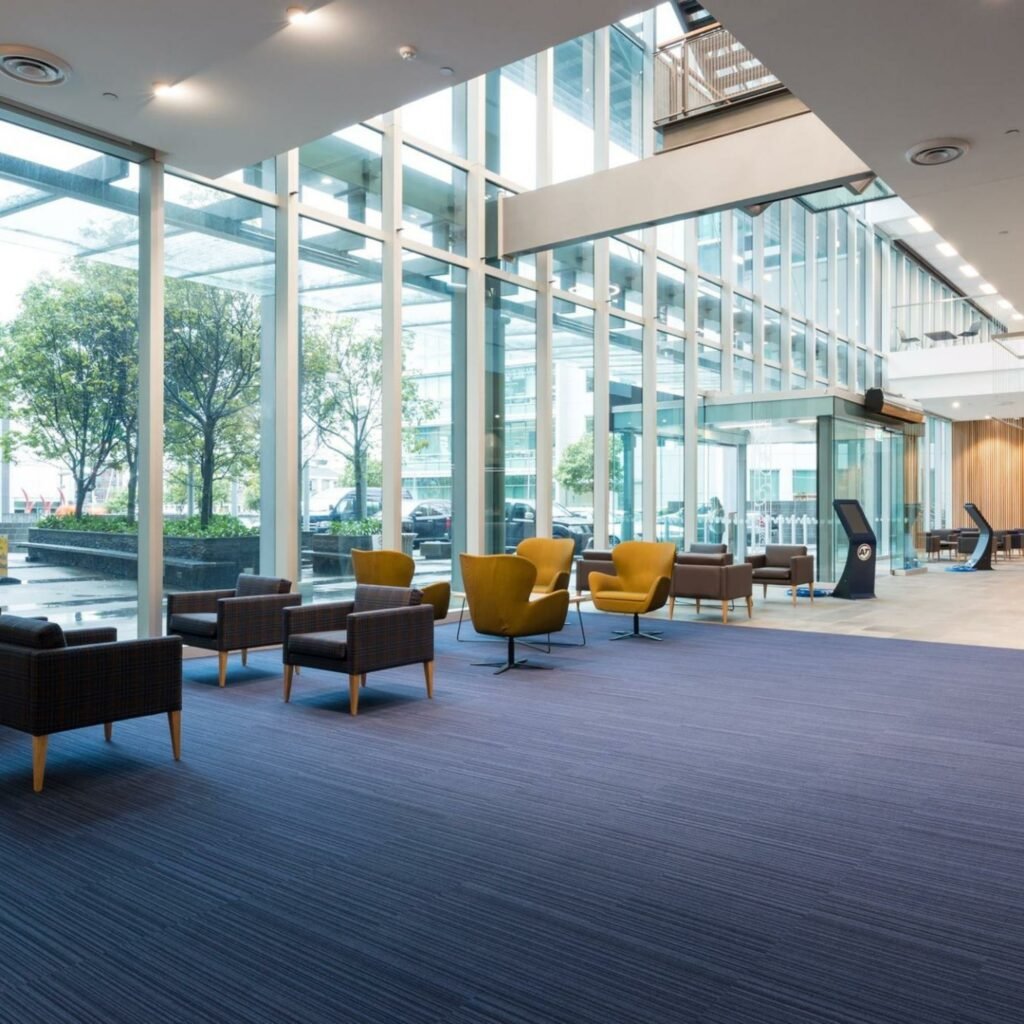
Carpet tiles outperform broadloom carpet in many high-traffic environments due to their modular design.
Key advantages:
-
Individual tile replacement
-
Faster installation
-
Lower long-term maintenance cost
-
Design flexibility
-
Reduced downtime
When selecting the best carpet tiles for high traffic, these modular benefits become even more valuable.
Scenario:
In an office lobby with 2,000 daily visitors, only tiles near entrances wear out faster. With carpet tiles, you replace only those areas — not the entire floor.
3. Fiber Type: The Foundation of Durability
The fiber is the most important component of the best carpet tiles for high traffic areas.
3.1 Nylon Fiber (Top Choice)
Nylon offers:
-
Excellent resilience
-
Strong abrasion resistance
-
Long lifespan
-
Easy maintenance
Most commercial-grade high-traffic carpet tiles use nylon.
3.2 Polyester Fiber
Advantages:
-
Good stain resistance
-
Softer feel
-
Lower cost
Disadvantages:
-
Lower resilience than nylon
Better for moderate traffic, not extreme traffic.
3.3 Solution-Dyed Fiber
Benefits:
-
Color penetrates entire fiber
-
Fade resistant
-
Bleach cleanable
-
Highly stain resistant
Solution-dyed nylon is often used in the best carpet tiles for high traffic areas environments like airports and hospitals.
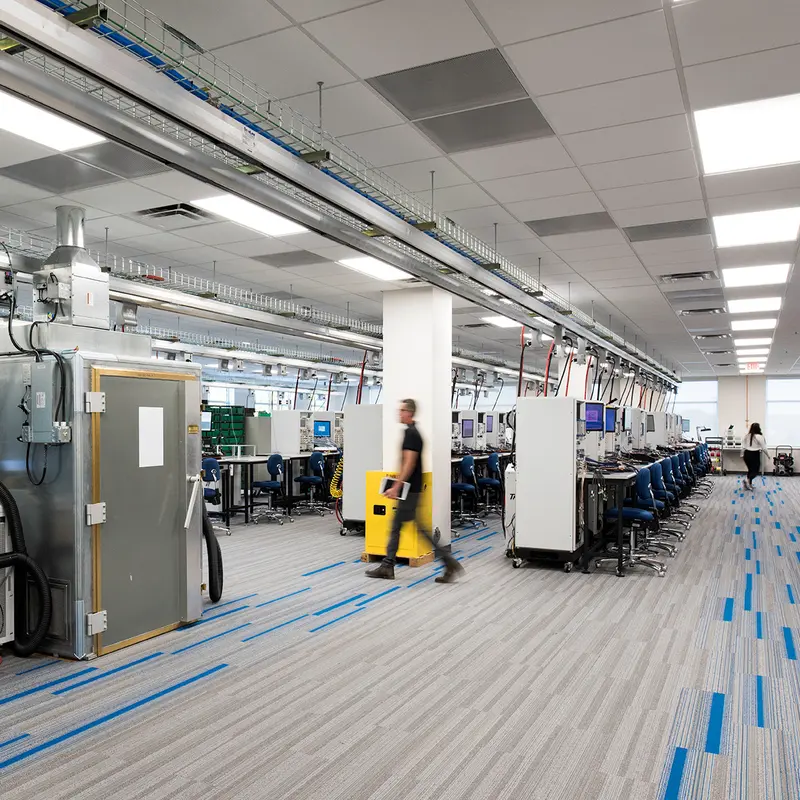
4. Yarn Density and Tufting: Why Structure Matters
Density determines how well carpet tiles resist crushing.
High density:
-
Supports fiber upright
-
Reduces matting
-
Improves appearance retention
Key construction types:
-
Loop pile
-
Level loop pile
-
Textured loop
The best carpet tiles for high traffic areas usually feature:
-
Tight loop construction
-
Short pile height
-
High stitch rate
Scenario:
Open-plan offices with rolling chairs benefit from loop pile tiles that resist flattening.
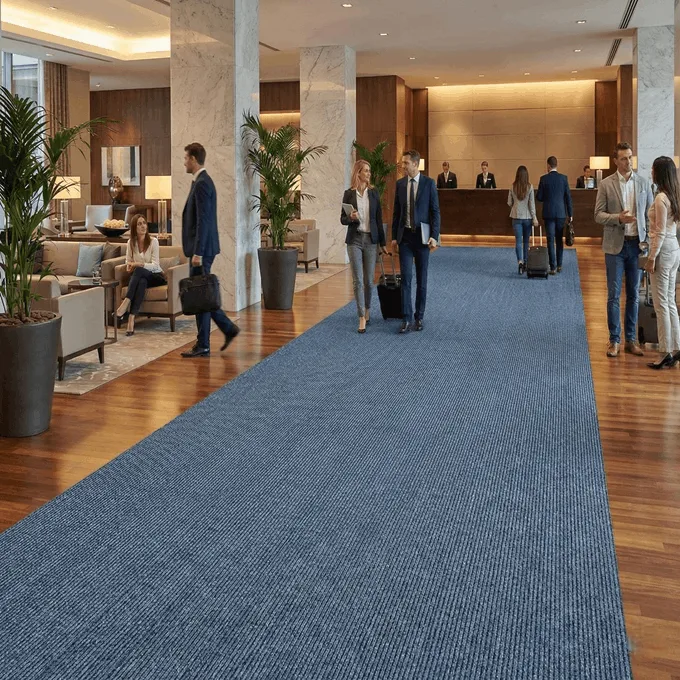
5. Backing Systems: Stability and Performance
Backing holds the carpet tile together and secures it to the floor.
High-performance backing systems include:
-
Bitumen backing
-
PVC backing
-
Cushioned backing
Key functions:
-
Dimensional stability
-
Anti-curl performance
-
Impact resistance
-
Acoustic absorption
The best carpet tiles for high traffic areas must have stable backing to prevent edge lifting and shifting.
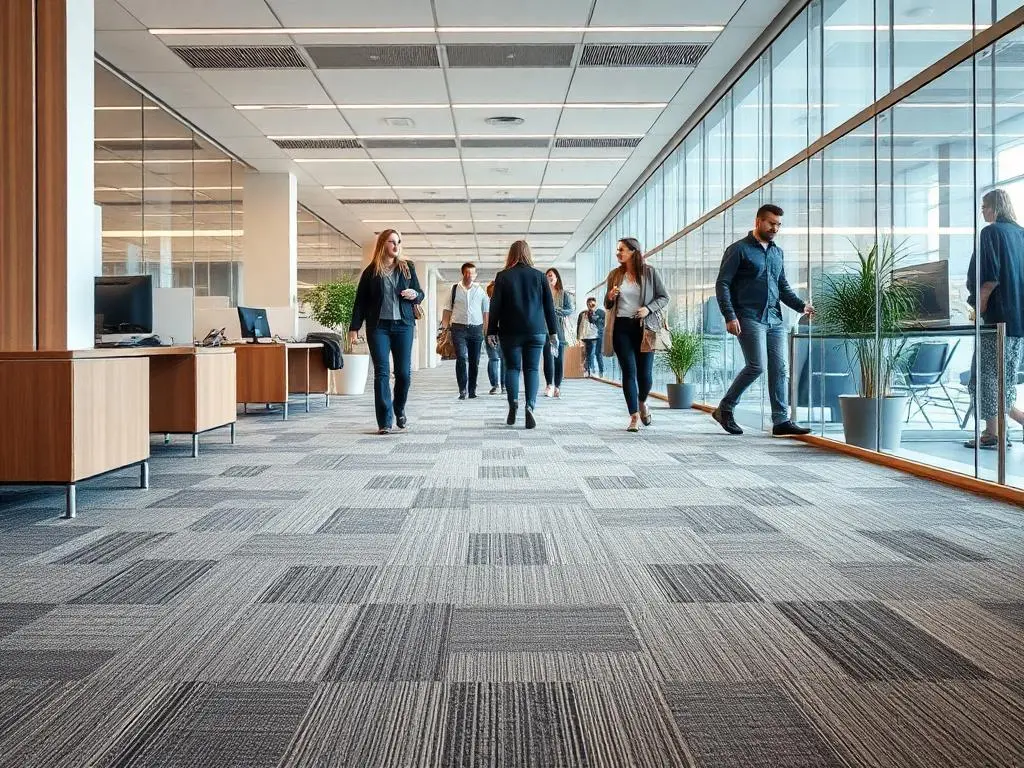
6. Pile Height and Surface Texture
Pile height affects wear visibility and ease of cleaning.
Recommended:
-
Low pile
-
Textured surface
-
Multi-level loop
Avoid:
-
High plush pile
-
Long cut pile
-
Shag textures
Low-profile surfaces are easier to vacuum and hide dirt better.
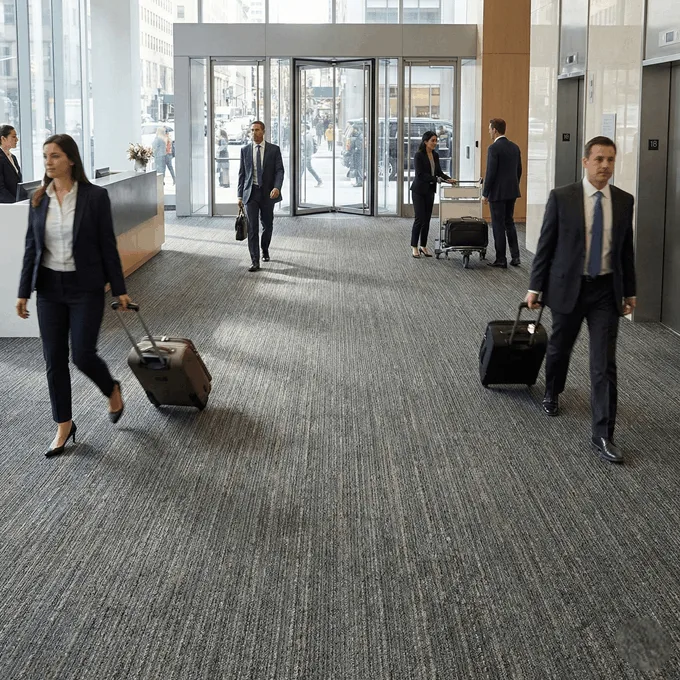
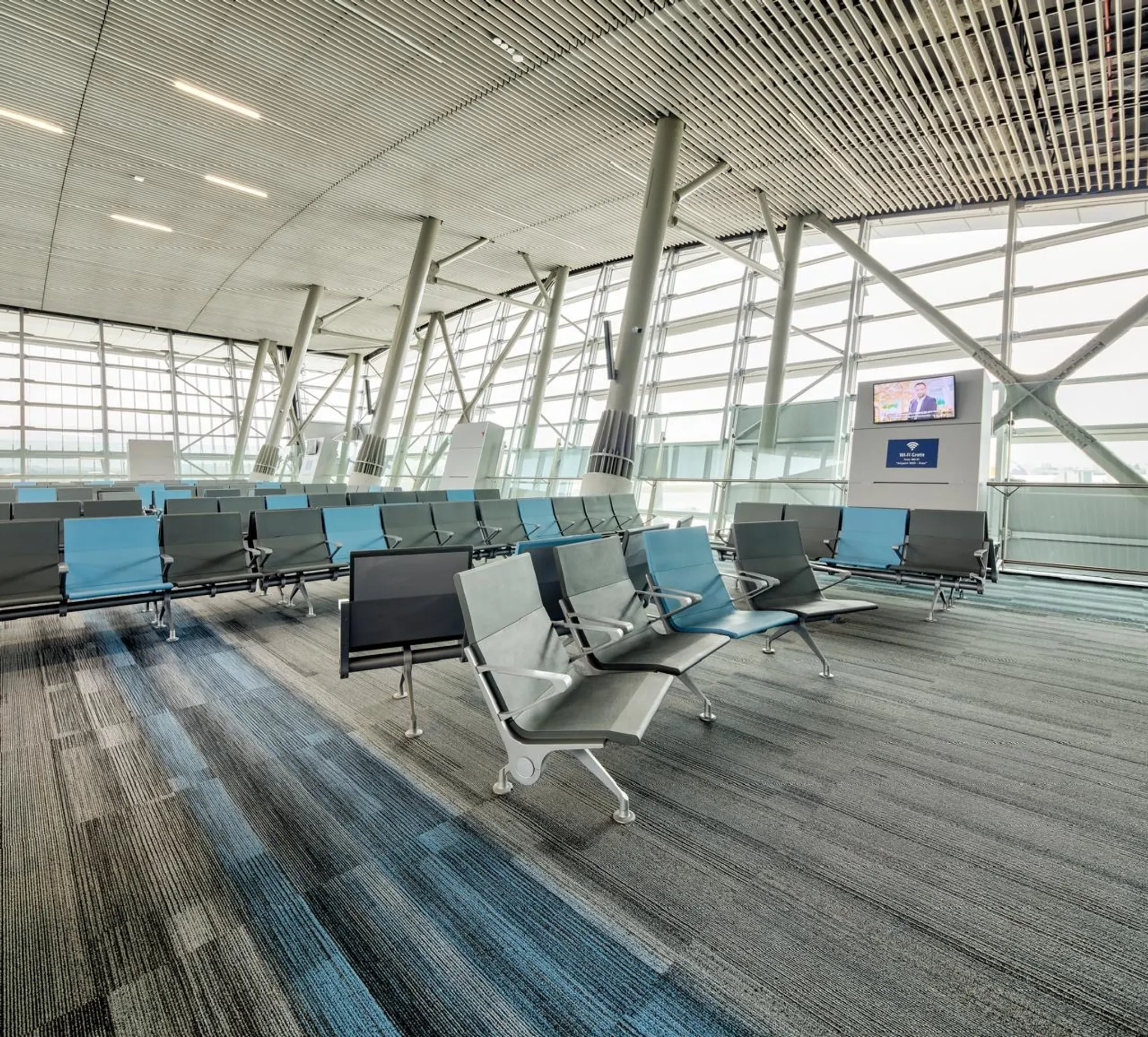
7. Design Strategy for High-Traffic Carpet Tiles
Design is not only visual — it affects longevity.
Best design approaches:
-
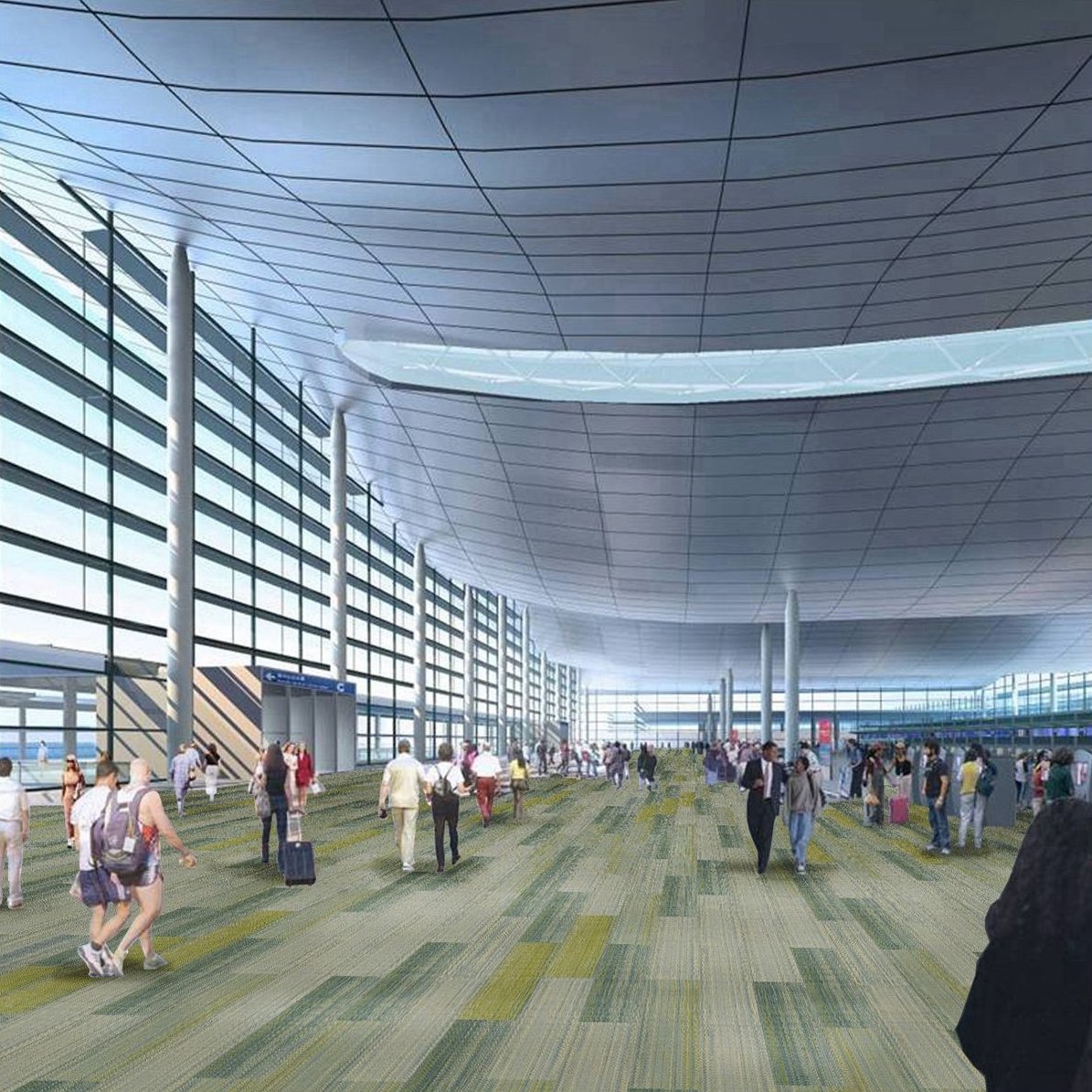
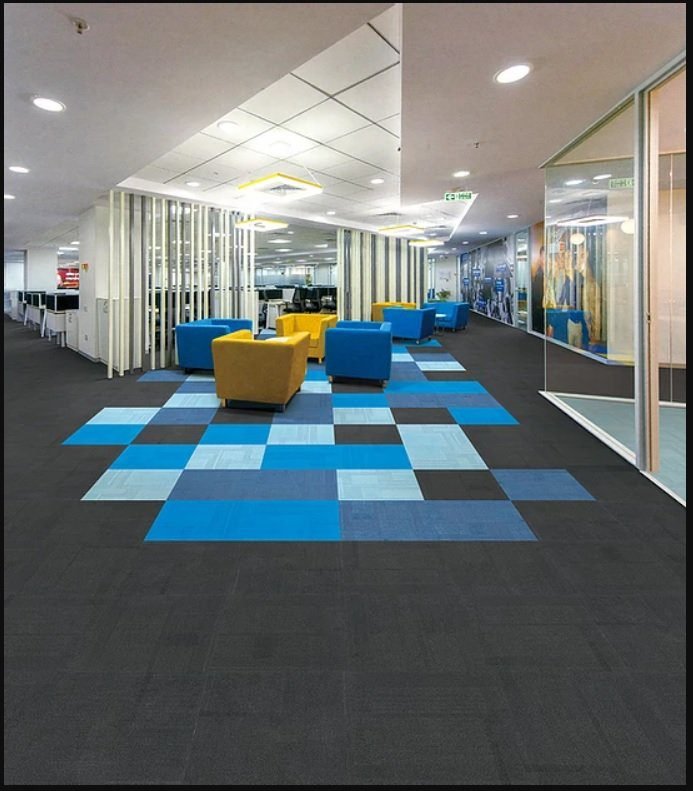
Multicolor patterns
-
Linear textures
-
Randomized layouts
-
Directional blends
Benefits:
-
Camouflages stains
-
Hides seams
-
Reduces visible traffic lanes
The best carpet tiles for high traffic areas are rarely single solid colors.
8. Acoustic and Comfort Benefits
High-traffic does not mean sacrificing comfort.
Carpet tiles provide:
-
Noise absorption
-
Slip resistance
-
Thermal comfort
Compared with hard flooring, carpet tiles reduce:
-
Footstep noise
-
Echo
-
Fatigue
This makes them ideal for:
-
Offices
-
Libraries
-
Classrooms
-
Meeting rooms
9. Environmental Performance
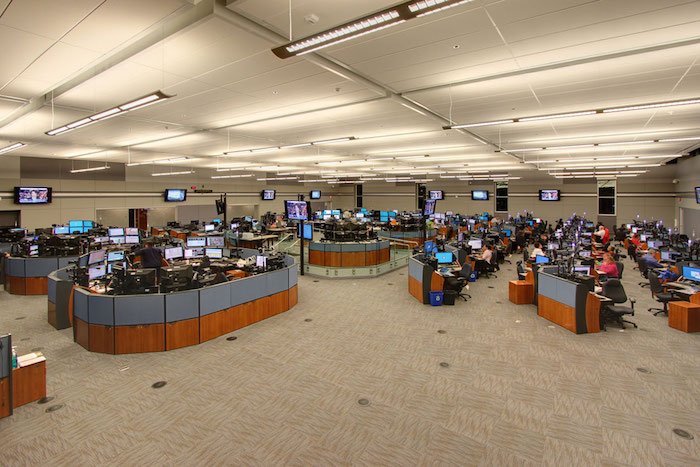
Modern commercial carpet tiles can support sustainability goals.
Look for:
-
Recyclable backing
-
Low-VOC materials
-
Long lifespan
-
Replaceable tiles
The best carpet tiles for high traffic areas reduce waste because only damaged tiles are replaced.
10. Installation Considerations
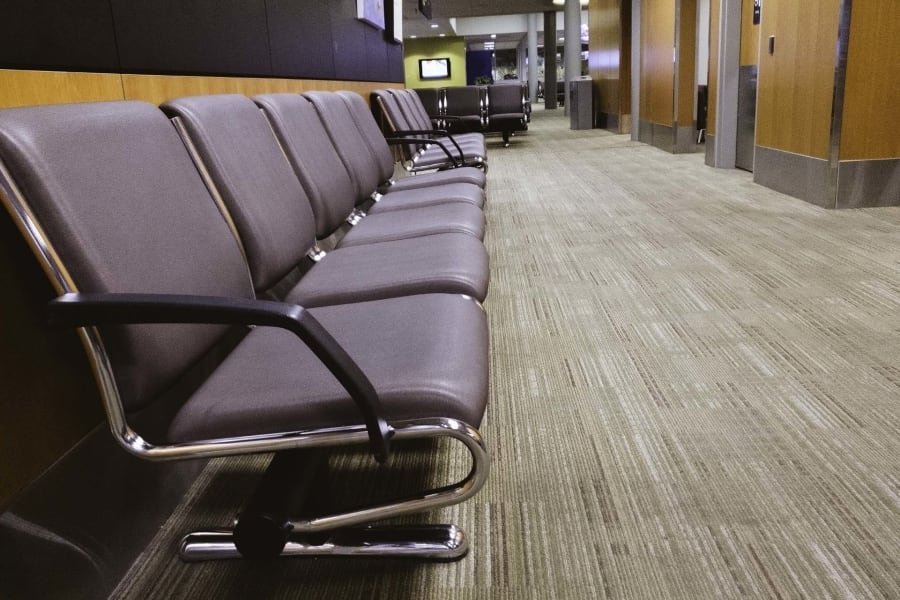
Installation affects performance.
Best practices:
-
Proper subfloor preparation
-
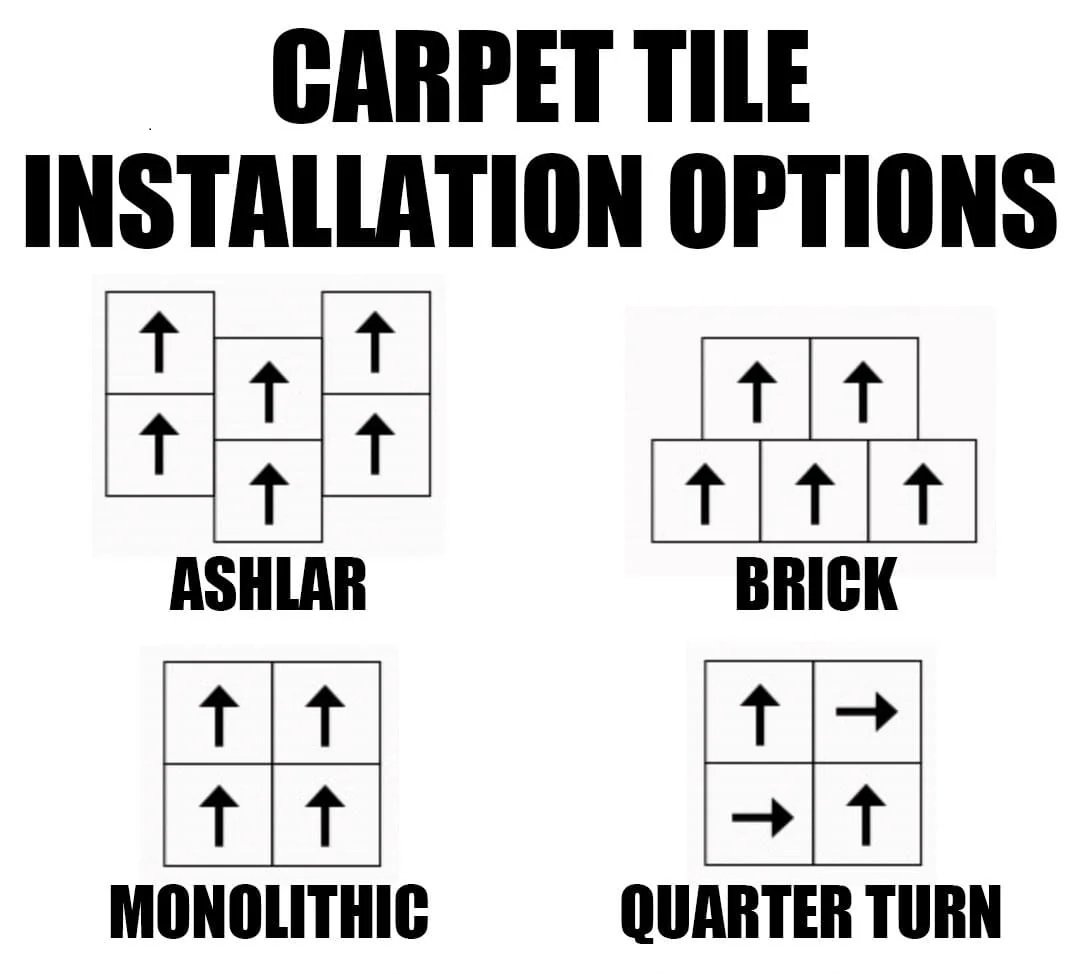
Consistent tile alignment
-
Secure adhesive system
-
Expansion gap at walls
High-traffic areas require:
-
Strong tackifier adhesive
-
Accurate pattern alignment
-
Heavy rolling after installation
11. Maintenance Requirements
Maintenance defines long-term success.
Daily:
-
Vacuum entrances
-
Remove grit
Weekly:
-
-
Spot cleaning
-
-
Inspect worn areas
Monthly:
-
Low-moisture deep cleaning
Quarterly:
-
Rotate tiles
-
Replace damaged ones
The best carpet tiles for high traffic areas are those that remain attractive with routine care.
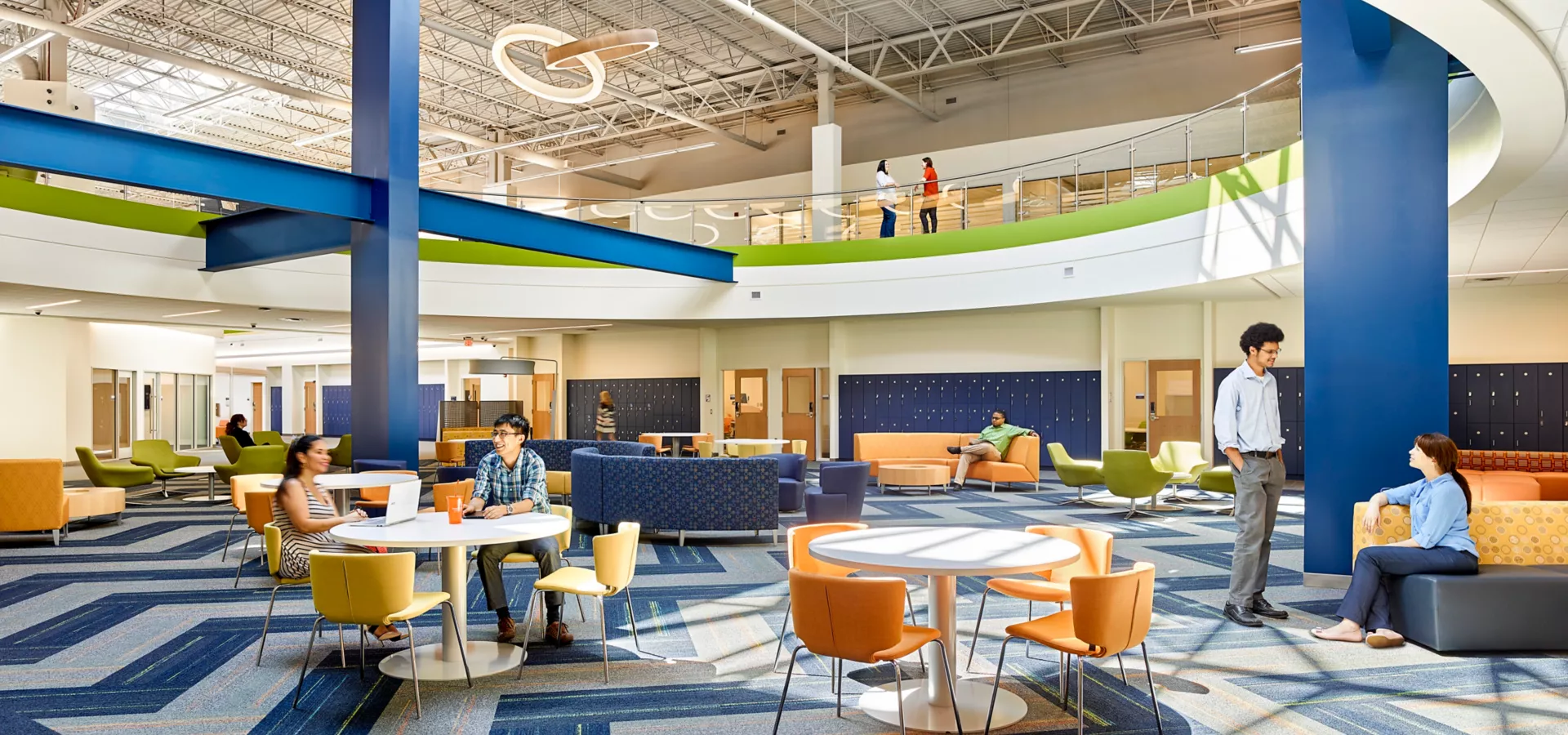
12. Real-World Use Scenarios
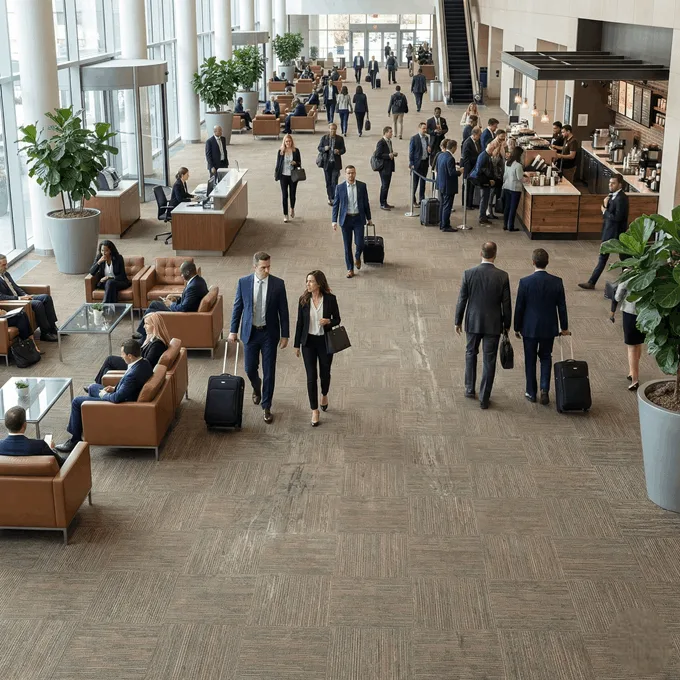
Office Buildings
Needs:
-
Noise reduction
-
Chair resistance
-
Professional look
Recommended:
-
Loop pile nylon tiles
-
Textured patterns
Hotels
Needs:
-
Visual appeal
-
Stain resistance
-
Comfort
Recommended:
-
Solution-dyed tiles
-
Patterned designs
Retail Stores
Needs:
-
Dirt concealment
-
Easy replacement
Recommended:
-
Dark multicolor tiles
-
Random layouts
Schools
Needs:
-
Safety
-
Acoustic control
-
Durability
Recommended:
-
Low-pile nylon tiles
13. Cost vs Value
Upfront price is not the only factor.
True value includes:
-
Replacement cost
-
Cleaning cost
-
Downtime cost
The best carpet tiles for high traffic areas offer:
-
Lower lifetime cost
-
Longer replacement cycle
-
Lower disruption
14. Common Mistakes to Avoid
Avoid:
-
Choosing plush residential carpet
-
Using light solid colors
-
Ignoring backing quality
-
Underestimating maintenance
These mistakes lead to early failure.
15. Frequently Asked Questions (FAQ)
Q1: Are carpet tiles suitable for heavy traffic?
Yes. The best carpet tiles for high traffic areas are specifically engineered for durability and easy replacement.
Q2: Which fiber is best for busy areas?
Nylon, especially solution-dyed nylon.
Q3: How long do high-traffic carpet tiles last?
Typically 5–10 years depending on use and maintenance.
Q4: Are patterned tiles better than plain ones?
Yes. Patterns hide stains and wear better.
Q5: Can damaged tiles be replaced individually?
Yes, which reduces cost and waste.
Conclusion
Choosing the best carpet tiles for high traffic areas is about performance, not just appearance. By focusing on fiber type, density, backing strength, surface texture, and smart design, you can create a flooring system that withstands heavy use while maintaining a professional and welcoming look.
High-traffic flooring is an investment. With the right carpet tile selection, that investment delivers comfort, durability, and long-term savings.