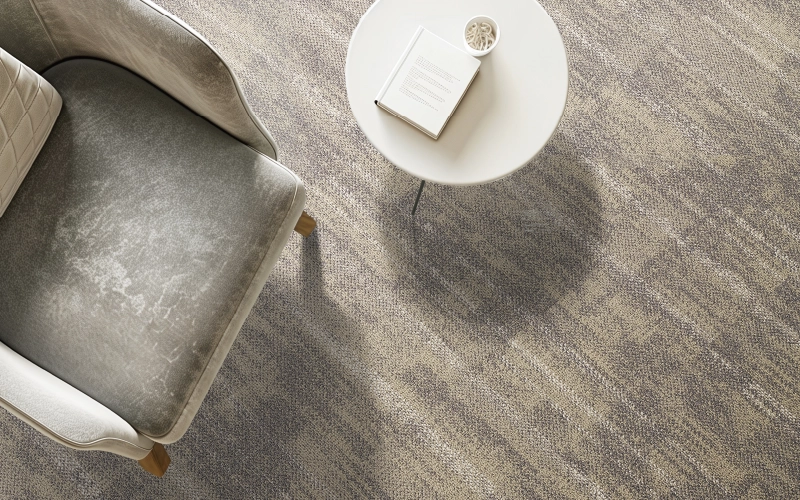
Choosing the right flooring solution is one of the most important decisions when designing or renovating a commercial space. Offices, hotels, educational facilities, and retail stores all require flooring that is durable, visually appealing, and easy to maintain.
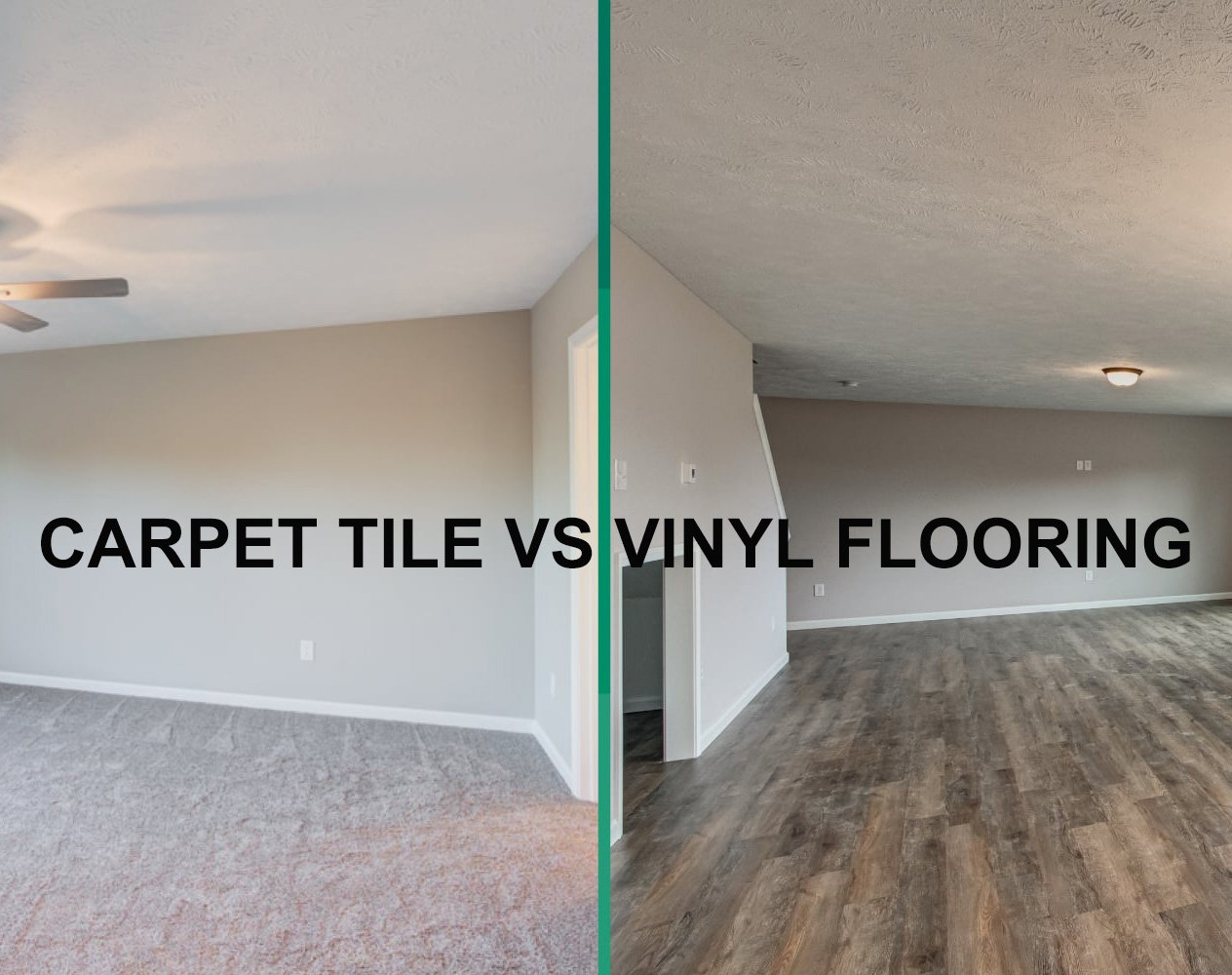
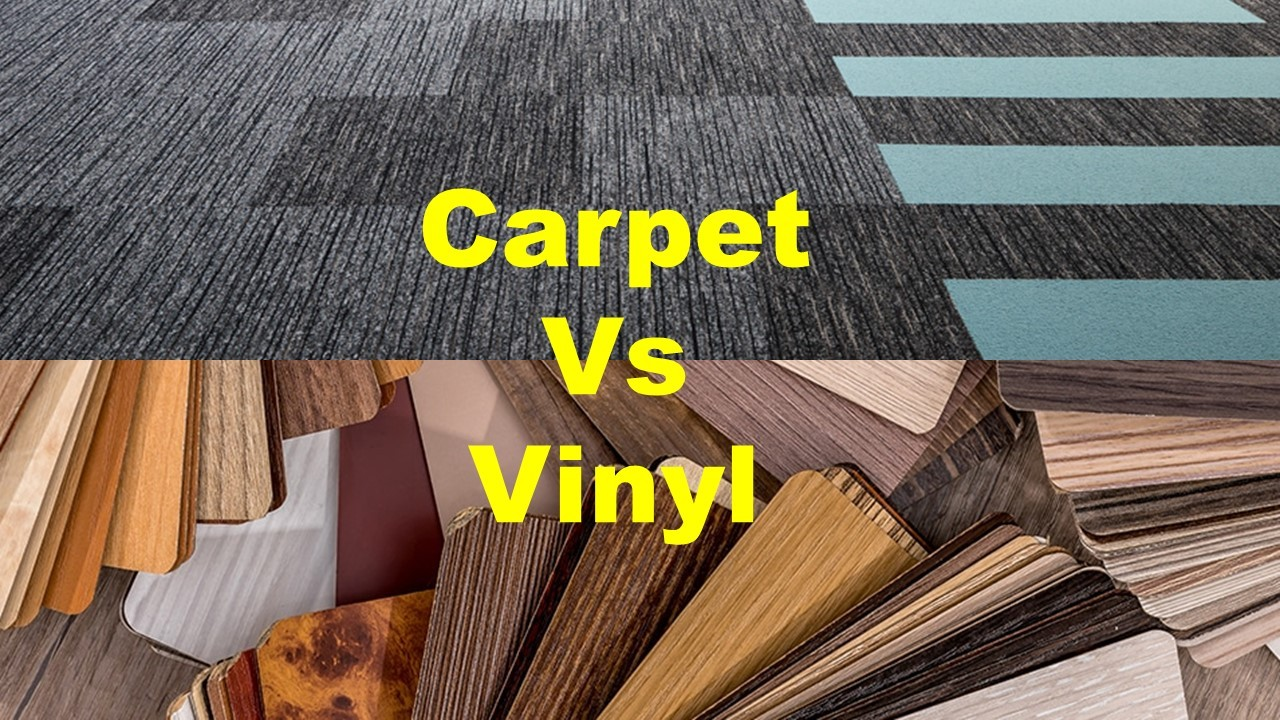
Among the most popular commercial flooring options today are carpet tiles and vinyl flooring. These two materials are widely used across the world, yet many architects, contractors, and business owners still ask the same question: carpet tile vs vinyl flooring – which one is the better choice?
Both flooring systems offer unique advantages, but they serve different purposes. Carpet tiles are known for their comfort, sound absorption, and modular flexibility, while vinyl flooring is valued for its water resistance and hard surface durability.
Understanding the differences between carpet tile vs vinyl flooring will help you select the best flooring option for your project. In this comprehensive guide, we will explore the key differences, advantages, installation processes, maintenance requirements, and ideal applications for both flooring types.
By the end of this article, you will clearly understand when to choose carpet tiles and when vinyl flooring may be more suitable.
Understanding Carpet Tiles
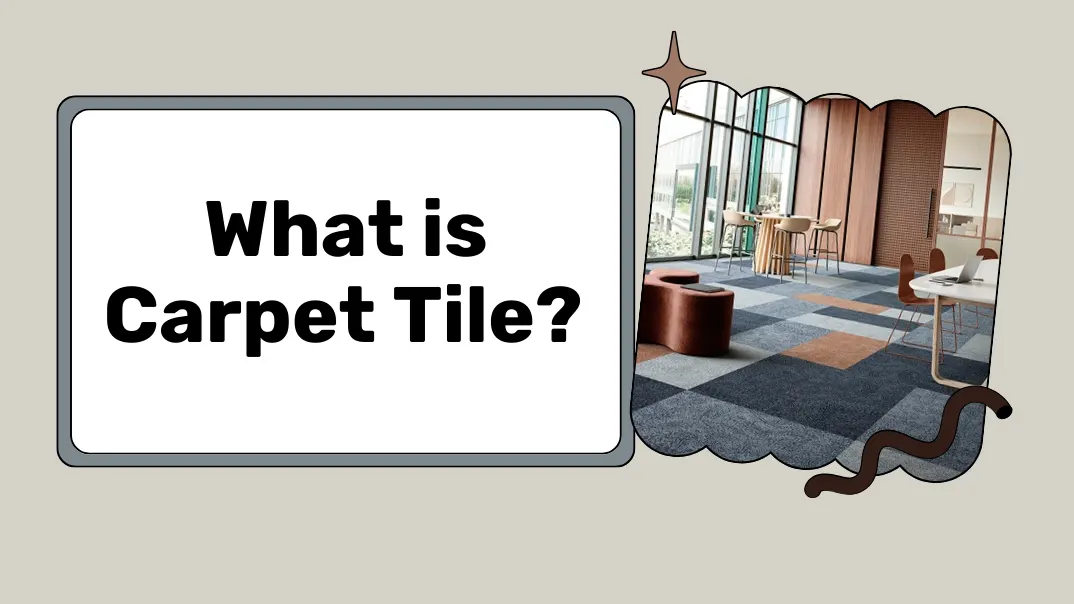
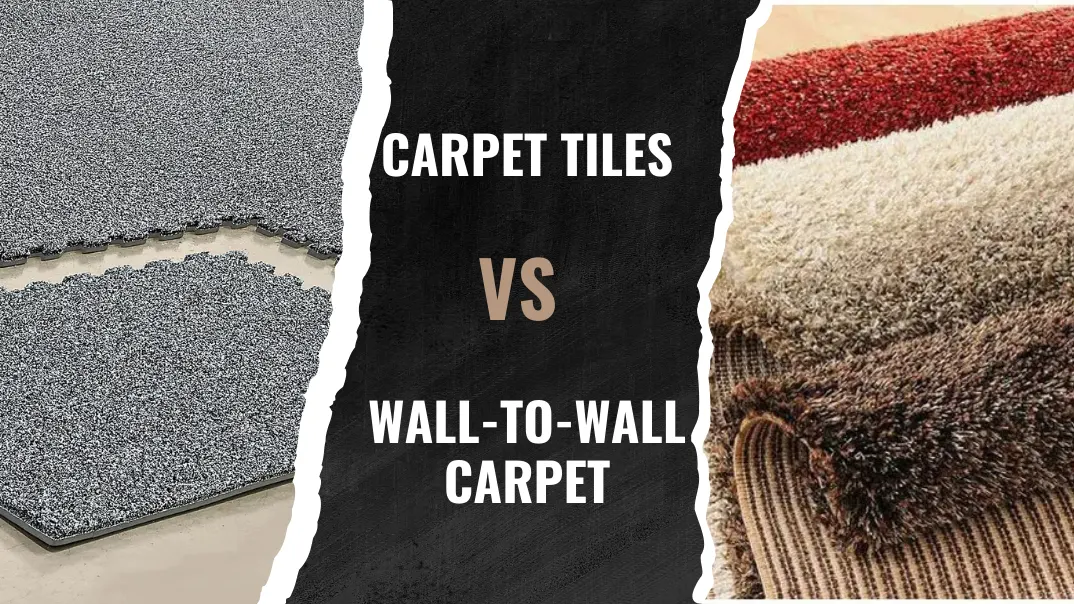
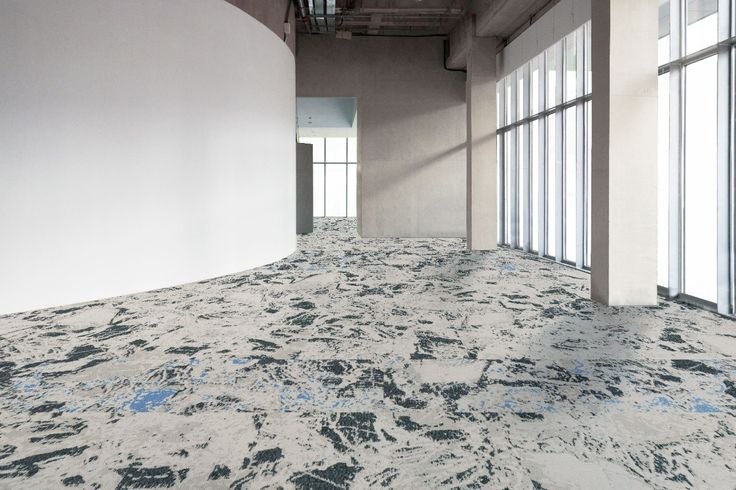
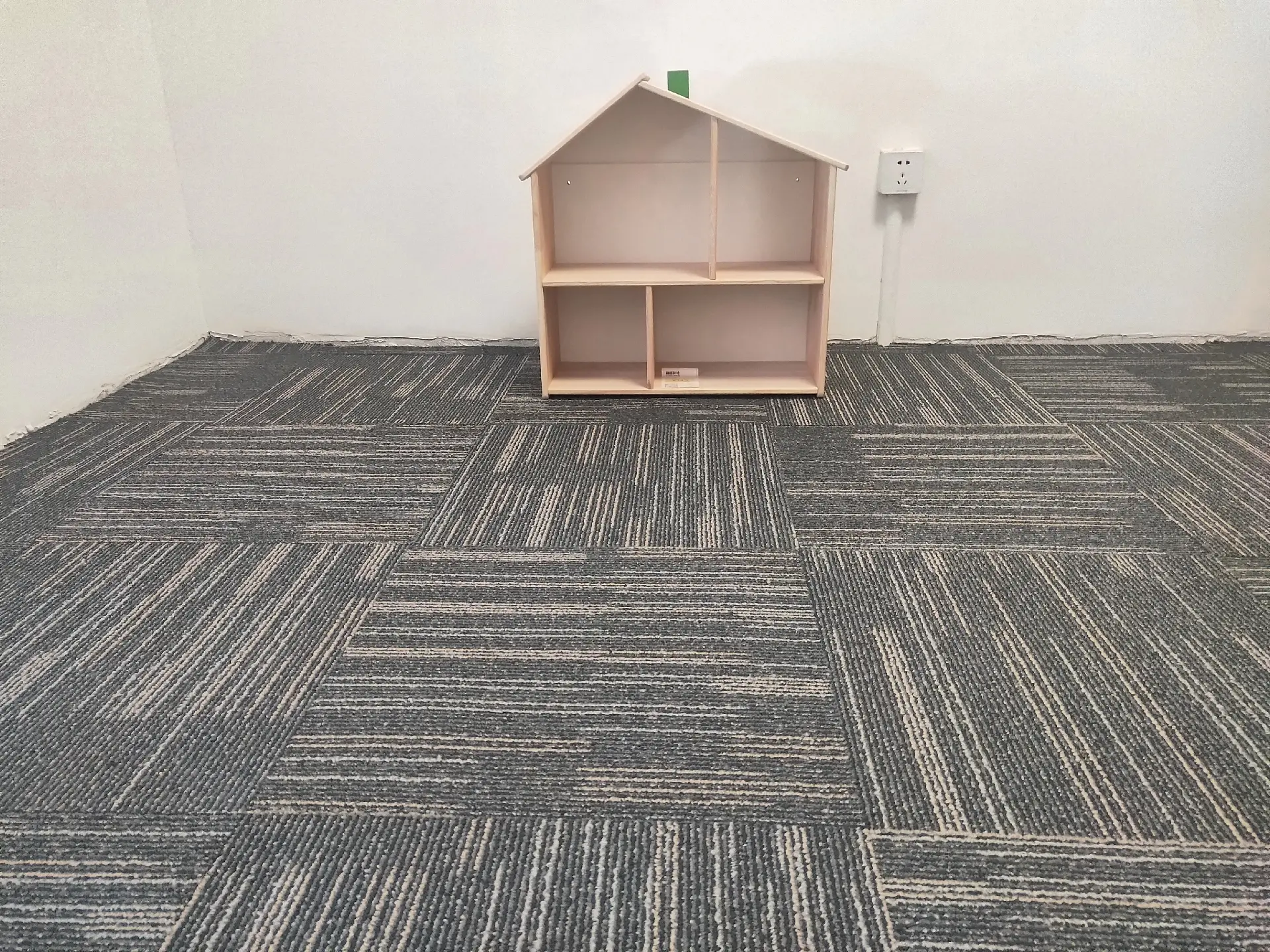
Carpet tiles, also called modular carpet, are square pieces of carpet designed to be installed individually. Unlike traditional broadloom carpet that covers an entire room in one piece, carpet tiles are installed piece by piece, creating a modular flooring system.
Most commercial carpet tiles come in standard sizes such as:
50 cm × 50 cm
60 cm × 60 cm
100 cm × 25 cm planks
Because of their modular nature, carpet tiles offer significant flexibility during installation and maintenance.
Advantages of Carpet Tiles
Carpet tiles are especially popular in commercial environments for several reasons:
Easy installation
Carpet tiles can be installed quickly without complex tools.
Modular replacement
If a tile becomes damaged or stained, it can be replaced individually.
Design flexibility
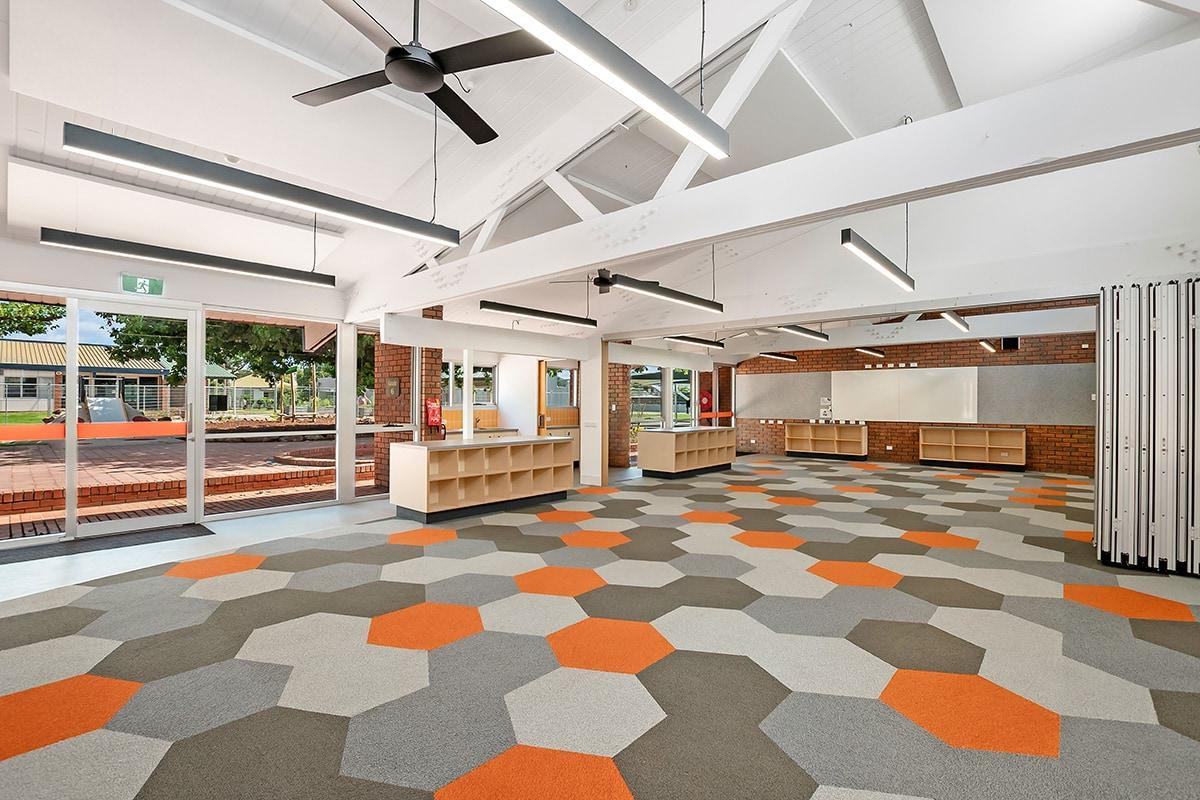
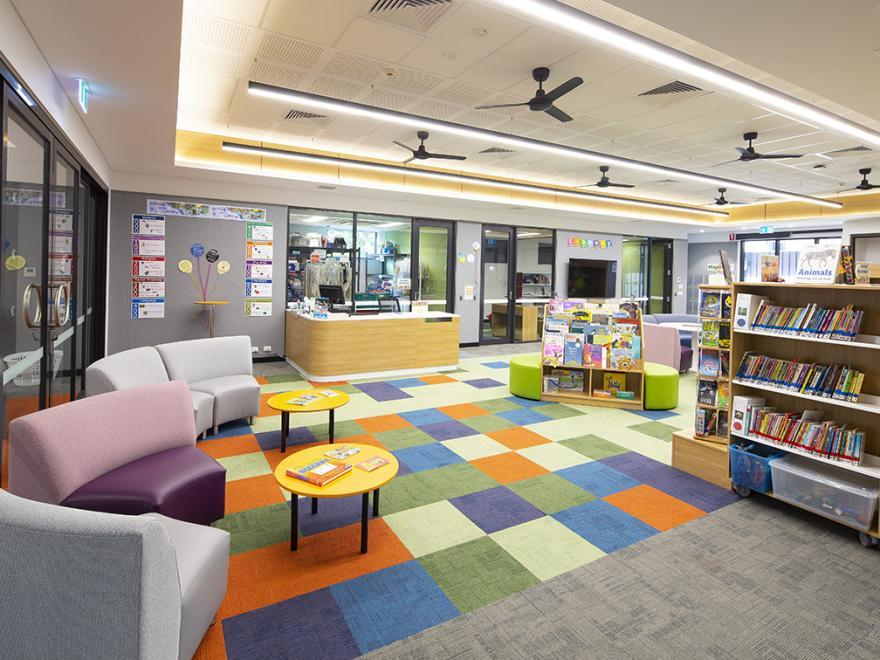
Different colors and patterns can be combined to create unique designs.
Acoustic performance
Carpet tiles absorb sound and reduce noise in busy environments.
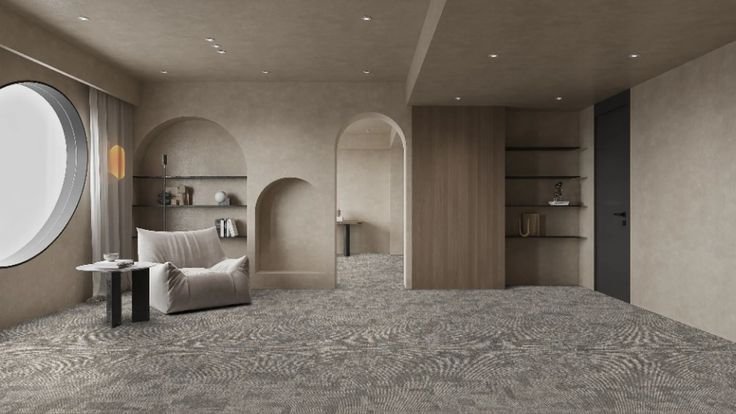
Because of these benefits, carpet tiles are commonly used in offices, coworking spaces, conference rooms, hotels, and commercial buildings.
Understanding Vinyl Flooring
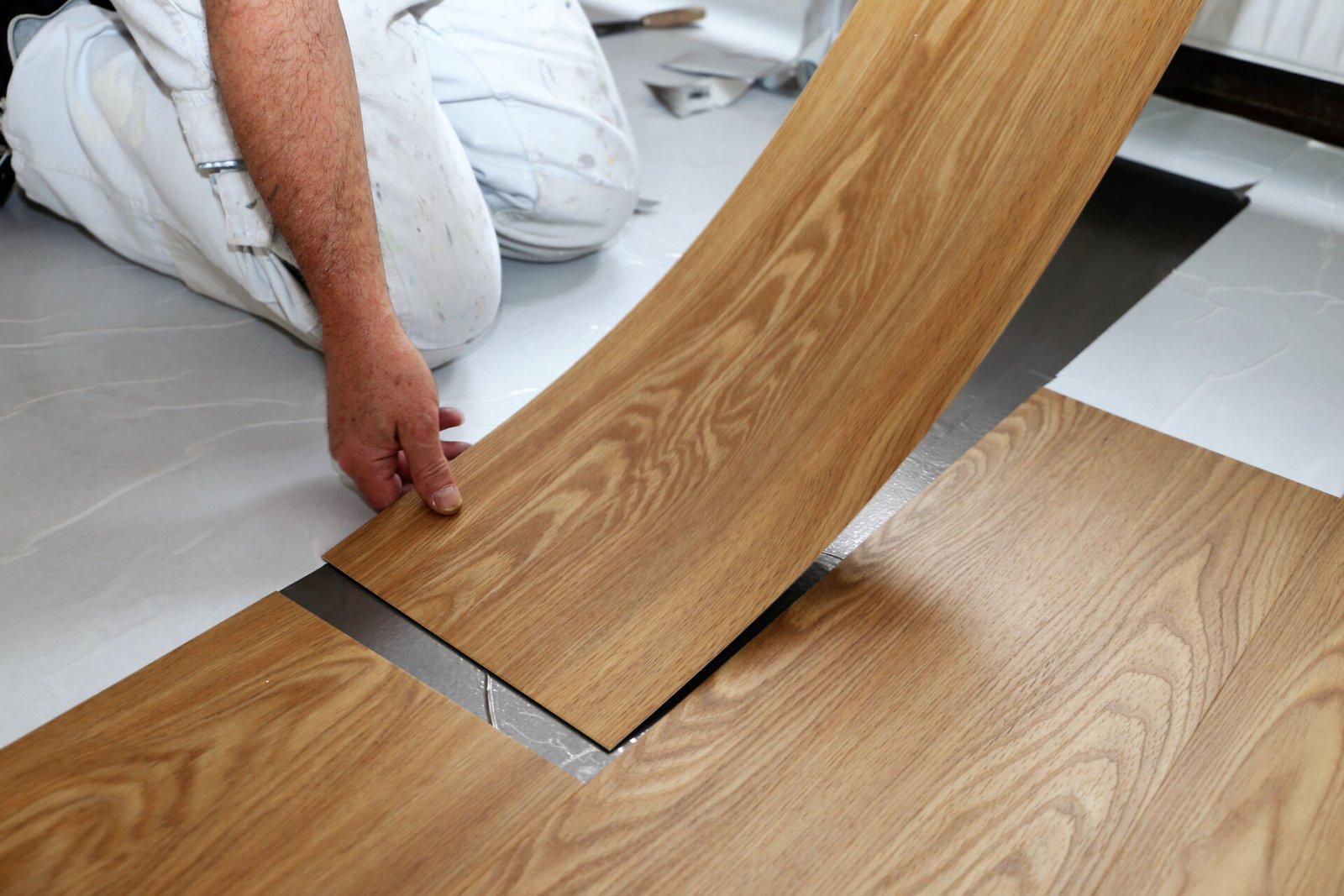
Vinyl flooring is a synthetic flooring material made primarily from polyvinyl chloride (PVC). It is widely used in both residential and commercial environments due to its durability and water resistance.
There are several common types of vinyl flooring:
Luxury Vinyl Tile (LVT)
Vinyl Plank Flooring
Sheet Vinyl
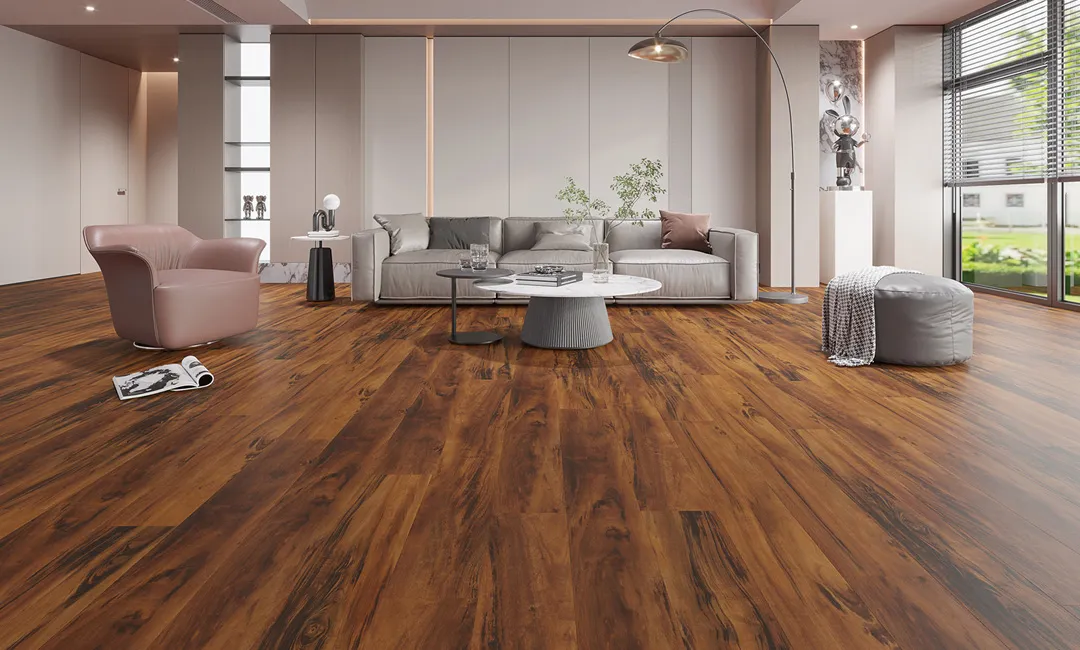
Vinyl flooring is designed to mimic the appearance of natural materials such as wood or stone while offering the durability of synthetic materials.
Advantages of Vinyl Flooring
Vinyl flooring has gained popularity because it offers:
Excellent water resistance
Easy surface cleaning
Good durability in heavy-use areas
A wide range of design styles
These features make vinyl flooring suitable for kitchens, bathrooms, retail stores, and healthcare facilities.
However, when comparing carpet tile vs vinyl flooring, the best choice often depends on the specific environment and functional requirements.
Carpet Tile vs Vinyl Flooring: 10 Important Differences
When evaluating carpet tile vs vinyl flooring, it is essential to compare them across several performance factors. Each flooring system performs differently depending on the environment.
Carpet tile vs vinyl flooring are the ten most important differences.

1. Comfort Underfoot
One of the most noticeable differences between carpet tile vs vinyl flooring is comfort.
Carpet tiles provide a soft, cushioned surface that feels comfortable to walk on. This cushioning effect reduces fatigue for employees who spend long hours standing or walking.
In contrast, vinyl flooring has a firm and rigid surface. While some vinyl products include padding layers, they generally cannot match the softness of carpet tiles.
For office environments where employee comfort matters, carpet tiles are often the preferred solution in the carpet tile vs vinyl flooring comparison.
2. Acoustic Performance
Noise control is critical in commercial buildings.
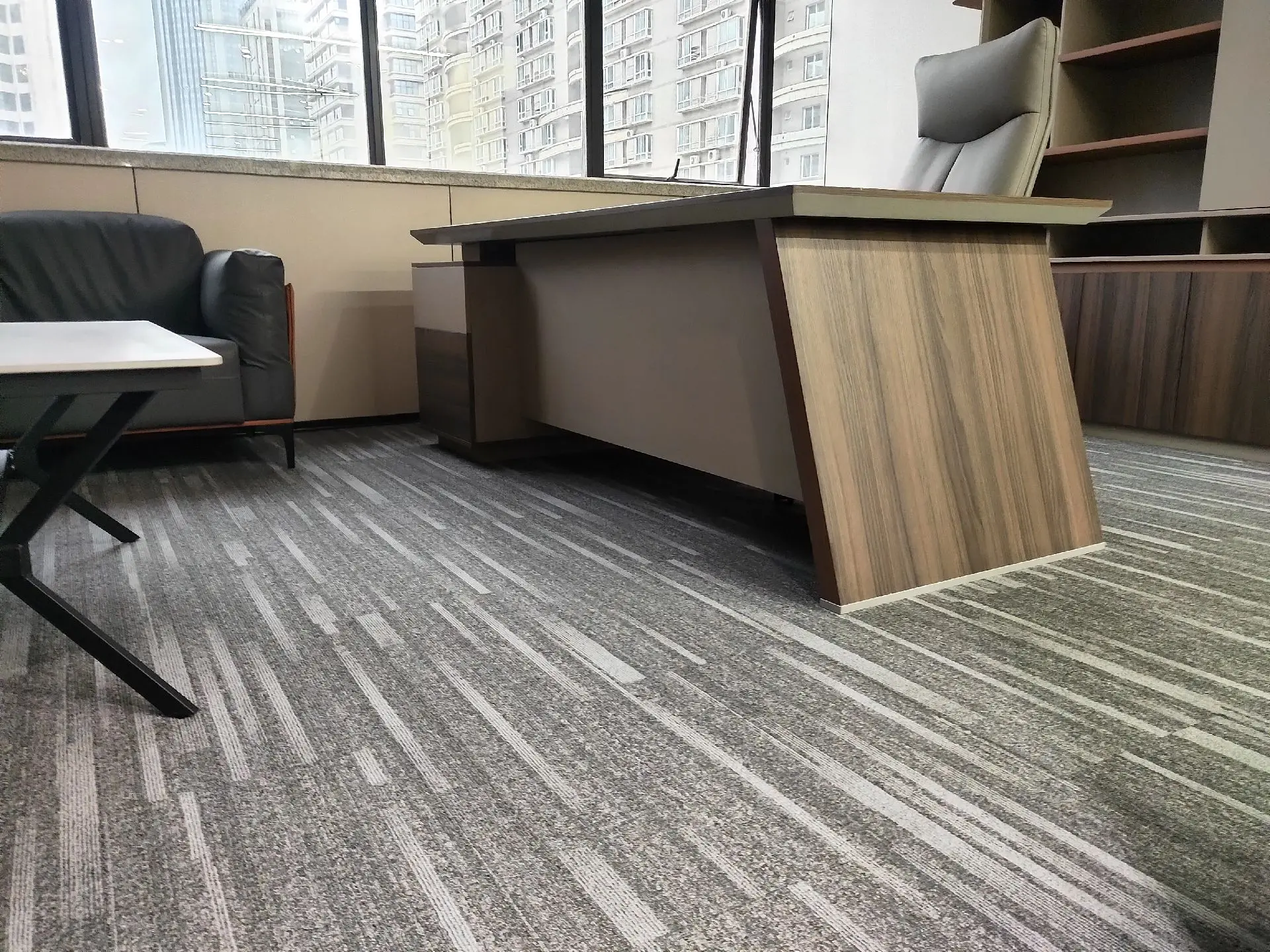
Carpet tiles naturally absorb sound, which helps reduce noise from footsteps, conversations, and office equipment. This feature is particularly valuable in open-plan offices where noise distractions can reduce productivity.
Vinyl flooring, on the other hand, tends to reflect sound rather than absorb it. As a result, spaces with vinyl flooring may feel louder and less comfortable acoustically.
When acoustic performance is important, many designers choose carpet tiles instead of vinyl flooring.
3. Installation Flexibility
Installation is another important factor in the carpet tile vs vinyl flooring decision.
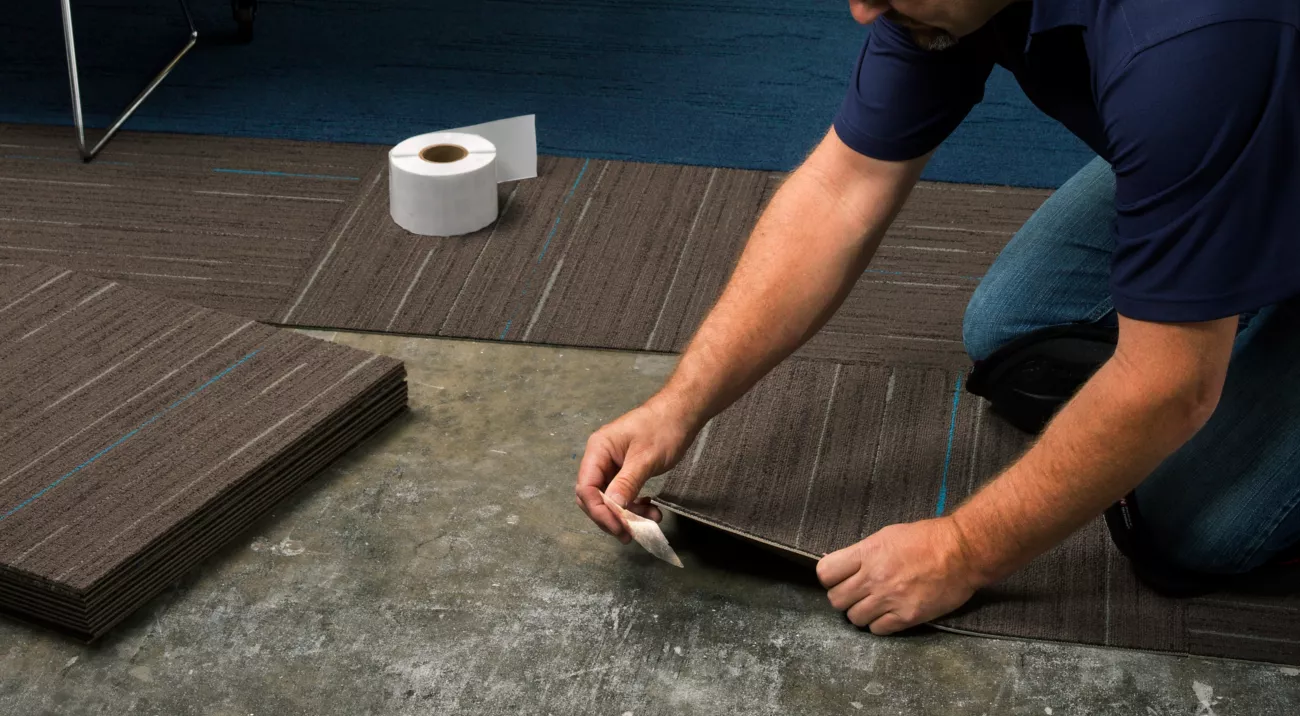
Carpet tiles are extremely easy to install. Because they are modular, they can be installed quickly with adhesive or tackifier systems. Installation can often be completed without disrupting normal operations.
Vinyl flooring installation can be more complicated. Some vinyl products require click-lock systems, while others require full adhesive installation.
Additionally, vinyl flooring often requires a perfectly level subfloor to prevent visible imperfections.
For projects that require fast installation and minimal disruption, carpet tiles often provide a practical advantage.
4. Maintenance and Cleaning
Maintenance is a major concern for building managers and facility operators.
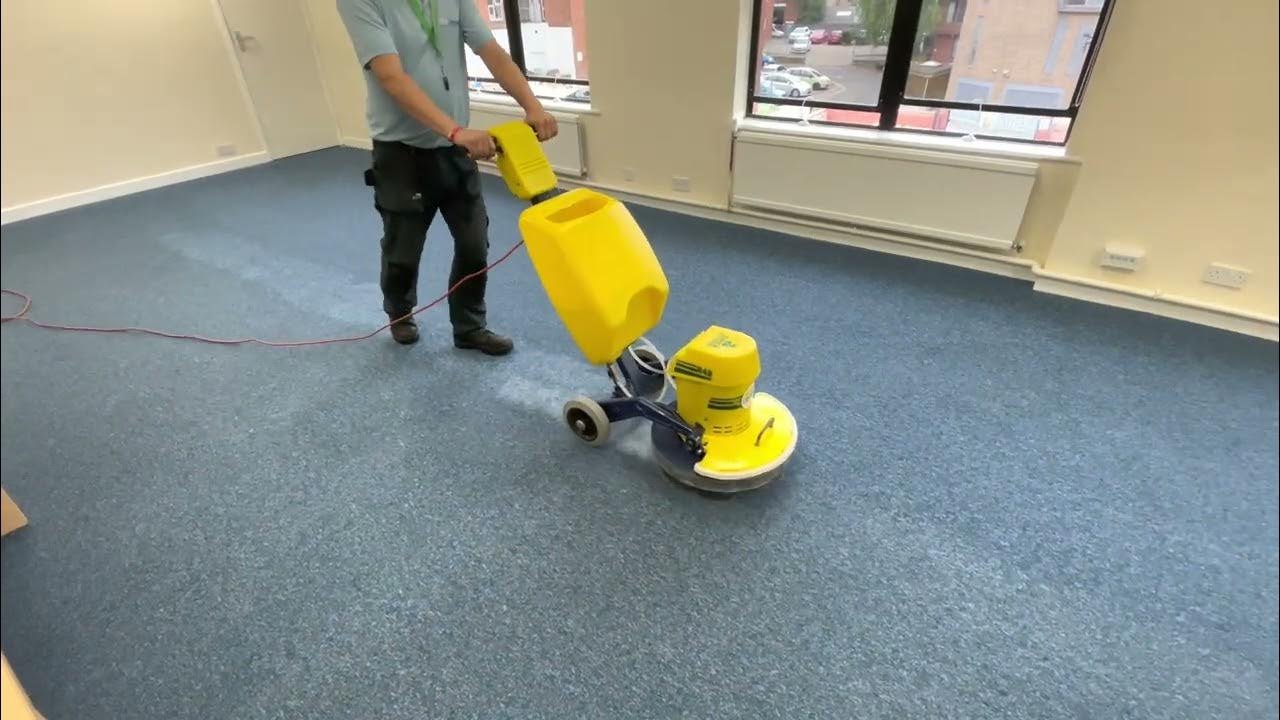
Carpet tiles require regular vacuuming to remove dust and debris. Periodic deep cleaning may also be needed to maintain appearance.
However, modern carpet tiles are designed with stain-resistant fibers that make maintenance easier.
Vinyl flooring is easier to clean on the surface. Spills can usually be wiped away quickly with a mop or cloth.
Despite this advantage, vinyl flooring can develop scratches or scuff marks over time, especially in high-traffic areas.
 5. Durability in High-Traffic Areas
Both flooring types are designed to withstand heavy use, but they perform differently.
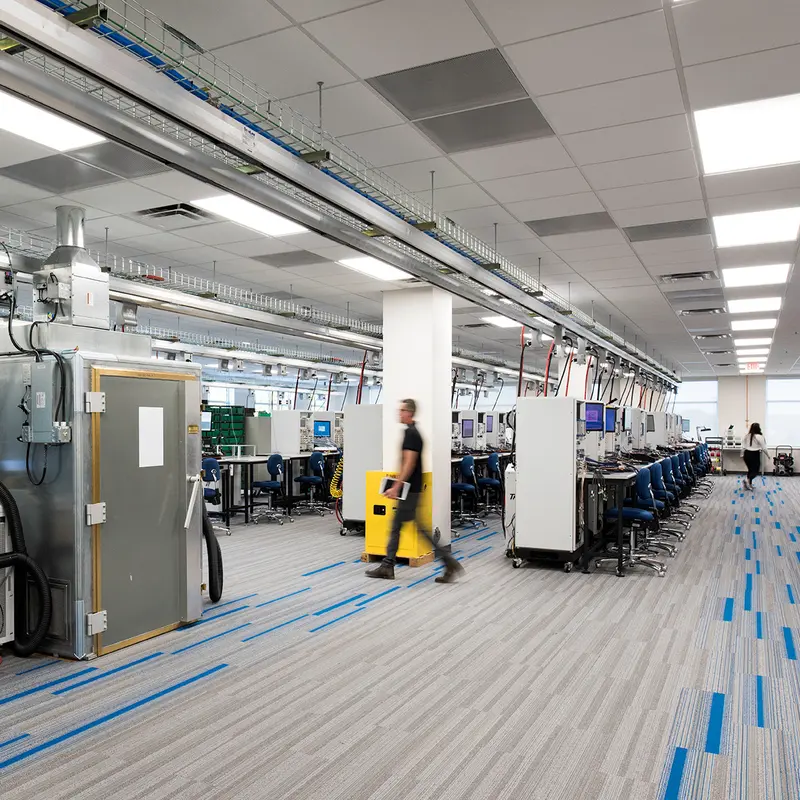
High-quality carpet tiles often use durable nylon fibers and dense loop pile construction. These features help maintain appearance in busy commercial spaces.
Vinyl flooring is also highly durable and resistant to wear. However, when damage occurs, repairing vinyl flooring can be more difficult.
With carpet tiles, damaged sections can be replaced individually without replacing the entire floor.
This modular repair advantage is one of the most important benefits when comparing carpet tile vs vinyl flooring.
6. Design Possibilities
Modern interior design often requires flexible flooring options.
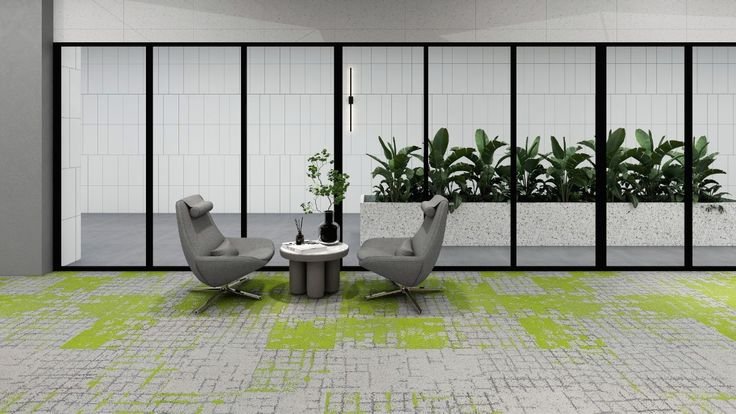
Carpet tiles allow designers to create unique patterns using multiple colors and layouts. Popular carpet tile layouts include:
Checkerboard pattern
Ashlar pattern
Herringbone pattern
Random pattern
This modular design capability allows designers to create visually dynamic floors.
Vinyl flooring also offers many design options, especially wood-look and stone-look textures. However, pattern customization is usually more limited.
For creative office interiors, carpet tiles offer greater design flexibility.
7. Sustainability and Environmental Impact
Sustainability is becoming increasingly important in commercial construction projects.
Many modern carpet tile manufacturers offer environmentally friendly products made with recycled materials. Some carpet tiles are also designed to be recyclable at the end of their life cycle.
Because carpet tiles can be replaced individually, they generate less waste during maintenance.
Vinyl flooring, while durable, contains PVC materials that may raise environmental concerns in certain projects.
For companies seeking green building certifications such as LEED, carpet tiles may offer additional advantages.
8. Safety and Slip Resistance
Safety is another factor when comparing carpet tile vs vinyl flooring.
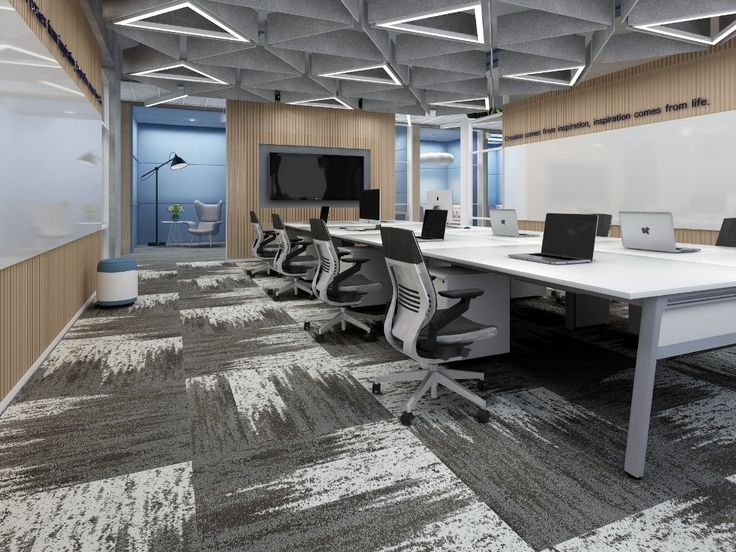
Carpet tiles naturally provide a non-slip surface, reducing the risk of slipping and falling.
Vinyl flooring can become slippery when wet, particularly in areas exposed to spills or moisture.
For office environments where safety and comfort are priorities, carpet tiles can offer a safer walking surface.
9. Long-Term Cost Efficiency
The initial cost of flooring is only one part of the equation.
When comparing carpet tile vs vinyl flooring, long-term maintenance and replacement costs should also be considered.
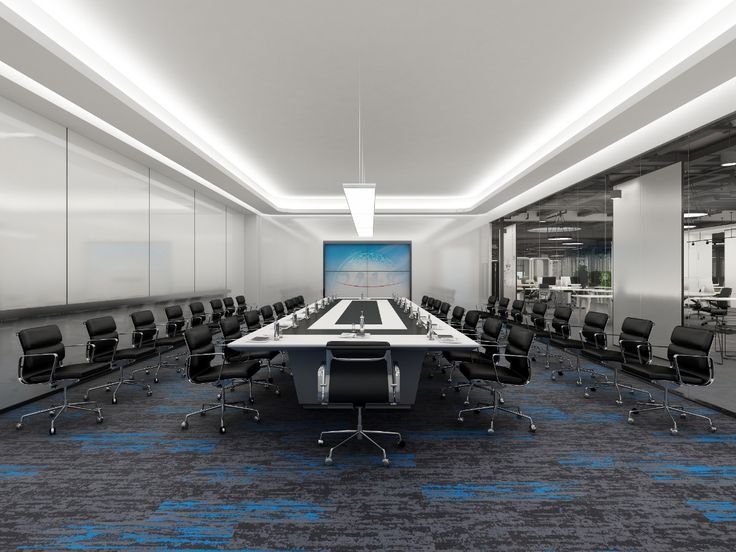
Carpet tiles allow selective replacement of damaged sections. This reduces long-term maintenance costs.
Vinyl flooring may require larger sections to be replaced if damage occurs.
Over time, the modular nature of carpet tiles can lead to lower overall lifecycle costs.
10. Best Application Environments
Different flooring types are better suited for different environments.
Best Application Environments for carpet tile vs vinyl flooring
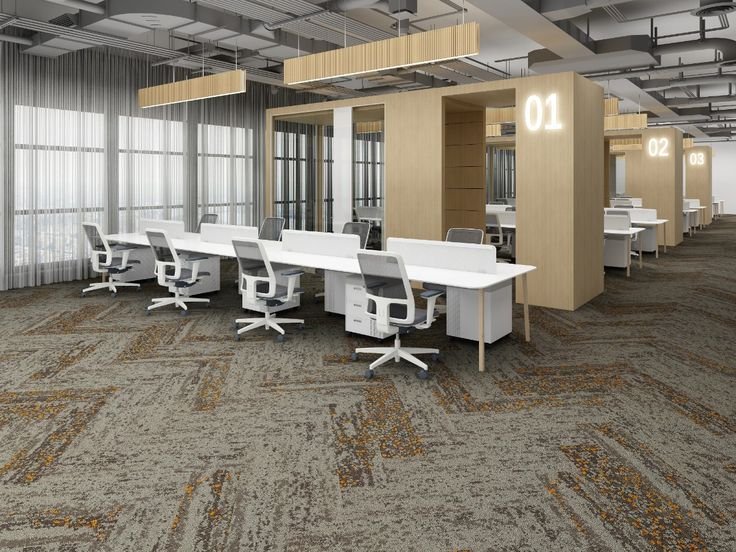
Ideal Applications for Carpet Tiles
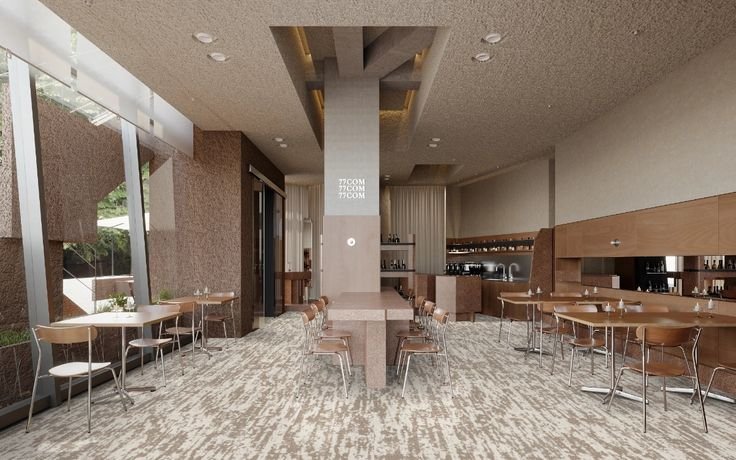
Carpet tiles are widely used in:
Corporate offices
Conference rooms
Coworking spaces
Hotels
Educational institutions
Libraries
These environments benefit from the comfort and acoustic performance of carpet tiles.
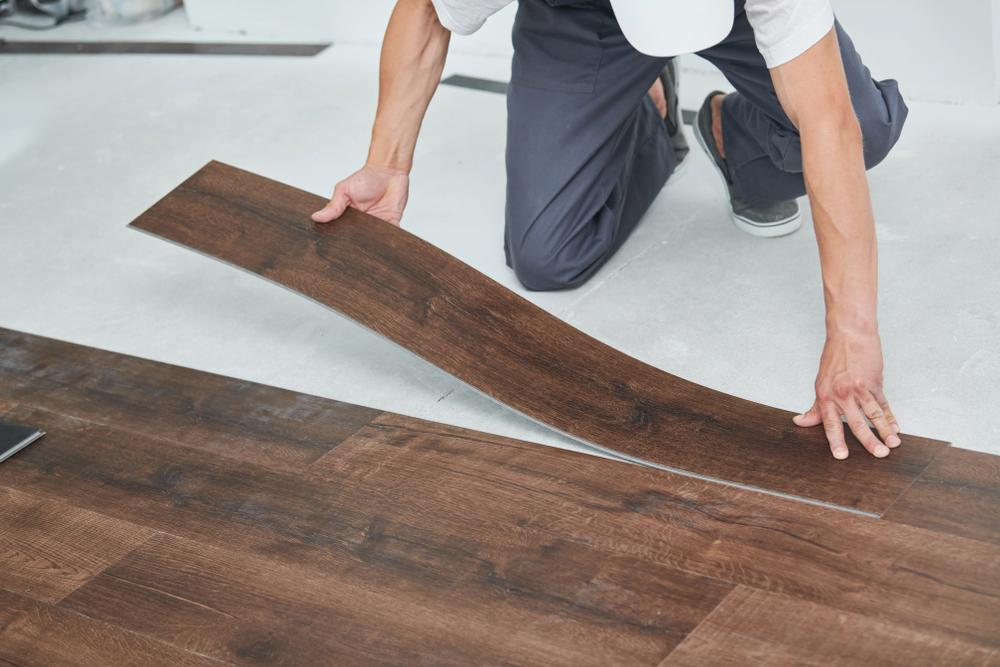
Ideal Applications for Vinyl Flooring
Vinyl flooring works well in environments such as:
Kitchens
Bathrooms
Medical facilities
Retail stores
Restaurants
These areas require strong water resistance and easy cleaning.
Why Many Commercial Projects Choose Carpet Tiles
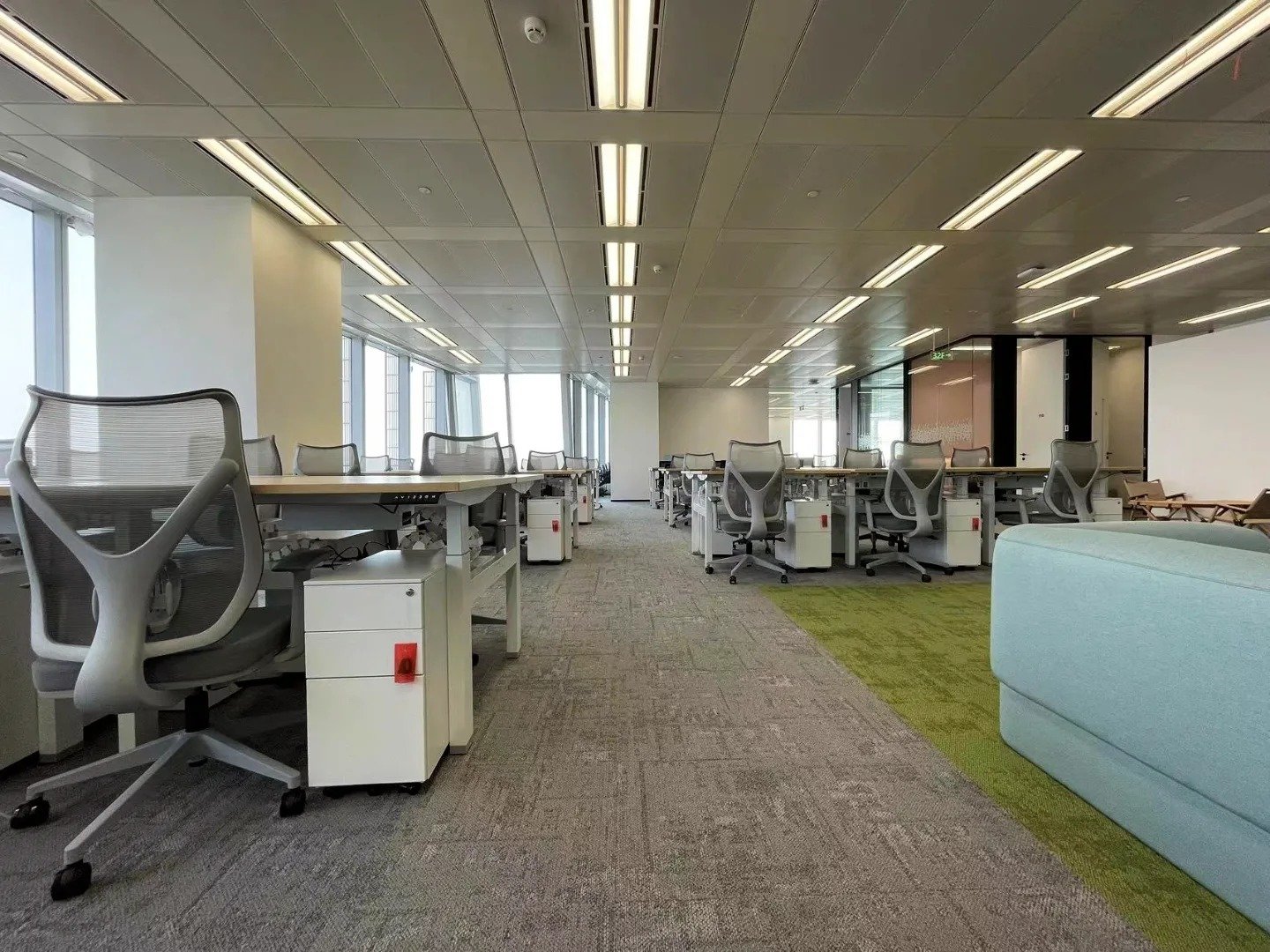
In recent years, carpet tiles have become one of the most popular flooring choices for commercial interiors.
Architects and designers often prefer carpet tiles because they offer:
Flexible installation
Easy maintenance
Strong acoustic performance
Modern design options
These benefits make carpet tiles especially suitable for modern workplaces and commercial environments.
FAMALAI Carpet Tiles for Commercial Spaces
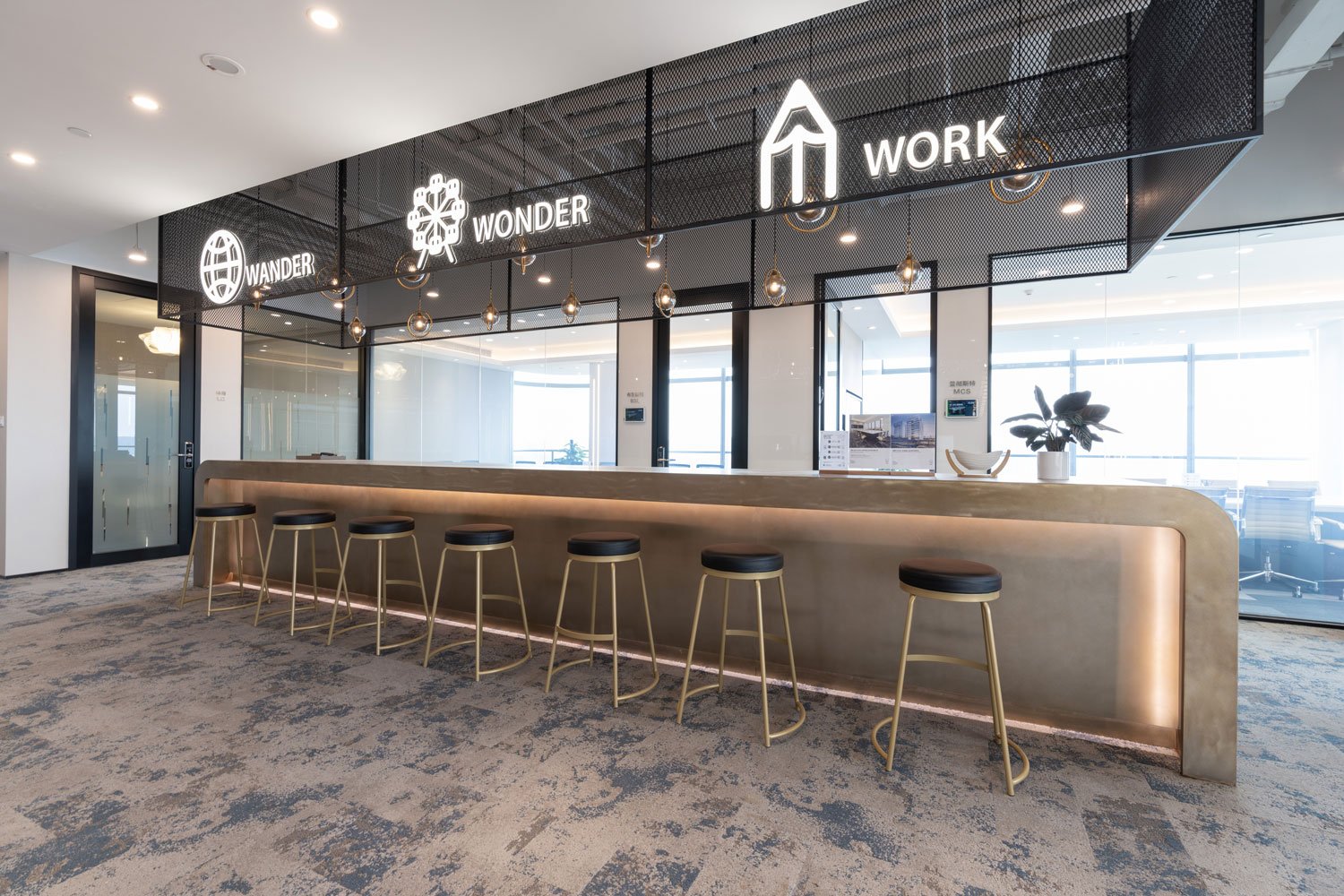
FAMALAI carpet tiles are designed specifically for demanding commercial environments.
Key features include:
Durable commercial-grade fibers
Strong backing systems
Excellent wear resistance
Modern design patterns
Easy modular replacement
FAMALAI carpet tiles are widely used in office buildings, hotels, and commercial projects where durability and design quality are essential.
Final Thoughts: Carpet Tile vs Vinyl Flooring
When comparing carpet tile vs vinyl flooring, there is no universal answer that applies to every situation.
Both flooring systems have their strengths and ideal applications.
Carpet tiles provide comfort, noise reduction, and design flexibility, making them an excellent choice for offices and commercial workspaces.
Vinyl flooring offers water resistance and easy cleaning, which makes it suitable for kitchens, healthcare facilities, and retail environments.
By understanding the differences between carpet tile vs vinyl flooring, you can make a well-informed decision that meets the functional and aesthetic needs of your project.
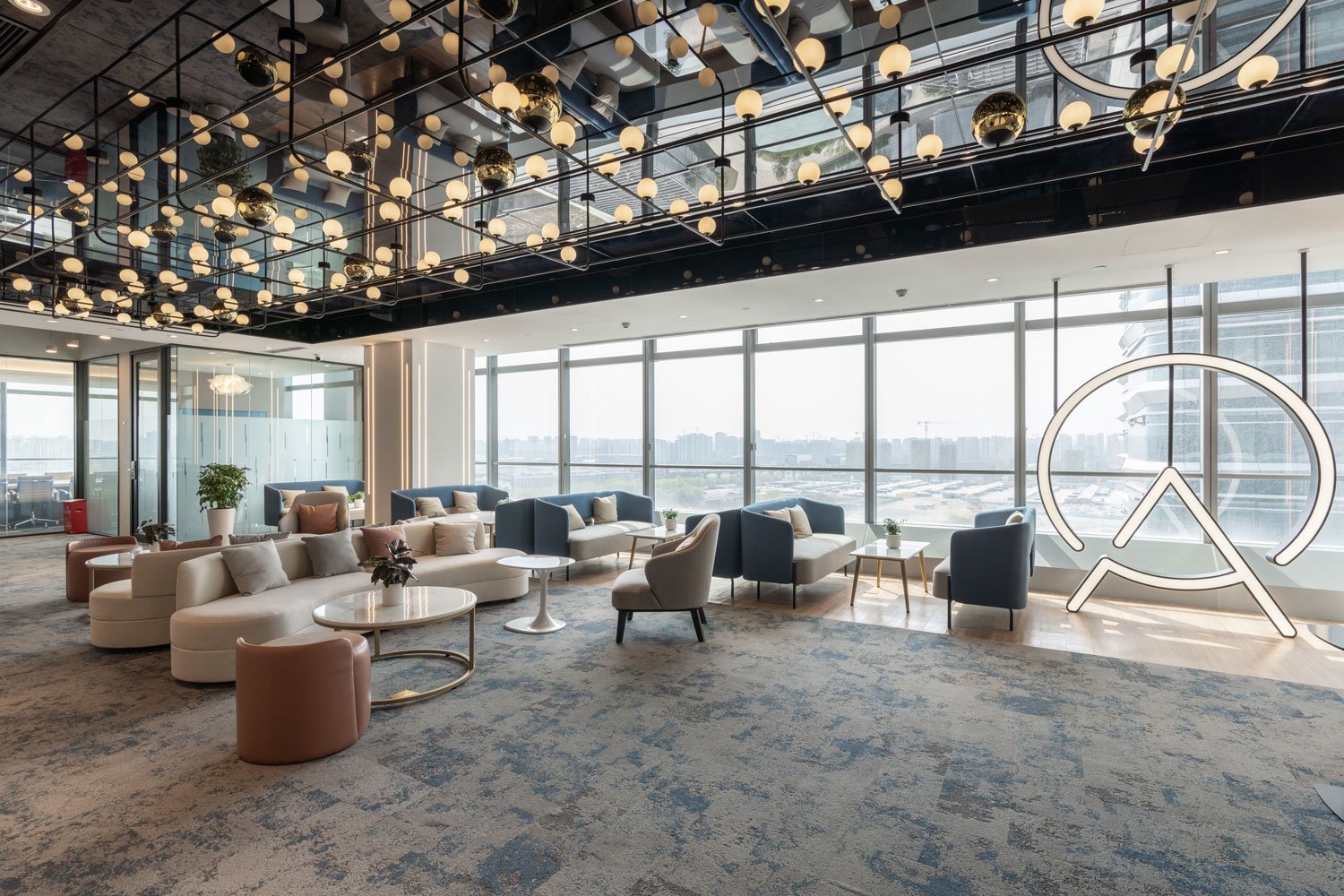
FAQs About Carpet Tile vs Vinyl Flooring
Is carpet tile better than vinyl flooring for offices?
Yes, carpet tiles are often better for office environments because they provide comfort, sound absorption, and design flexibility.
Which flooring lasts longer?
Both carpet tiles and vinyl flooring can last many years when properly maintained. Carpet tiles have the advantage of modular replacement.
Are carpet tiles more expensive than vinyl flooring?
Initial costs vary depending on product quality, but carpet tiles may offer better long-term value due to easier maintenance and replacement.
Can carpet tiles be installed over existing floors?
Yes, carpet tiles can often be installed over existing flooring surfaces if the subfloor is clean, dry, and level.
Which flooring is easier to maintain?
Vinyl flooring is easier for surface cleaning, but carpet tiles are easier to repair because damaged tiles can be replaced individually.