Choosing the right flooring for a commercial project is not simply a matter of appearance or initial price. The floor must withstand daily traffic, support the activities taking place in each room, meet maintenance requirements, and remain practical over its service life.
Two popular options are carpet tiles and luxury vinyl tile (LVT) flooring. Both are widely used in offices, educational facilities, hotels, retail environments, and other commercial interiors. However, they perform differently.
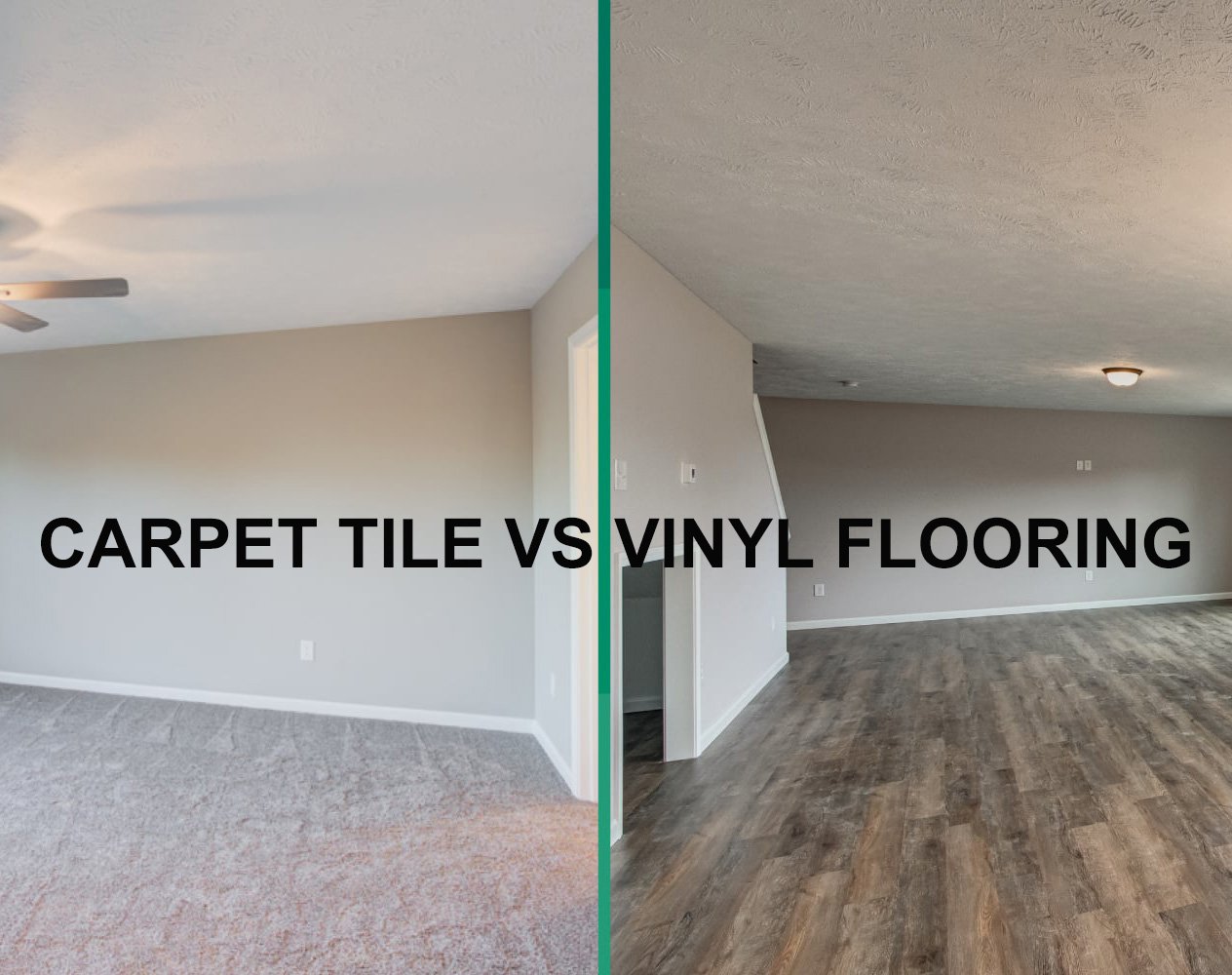
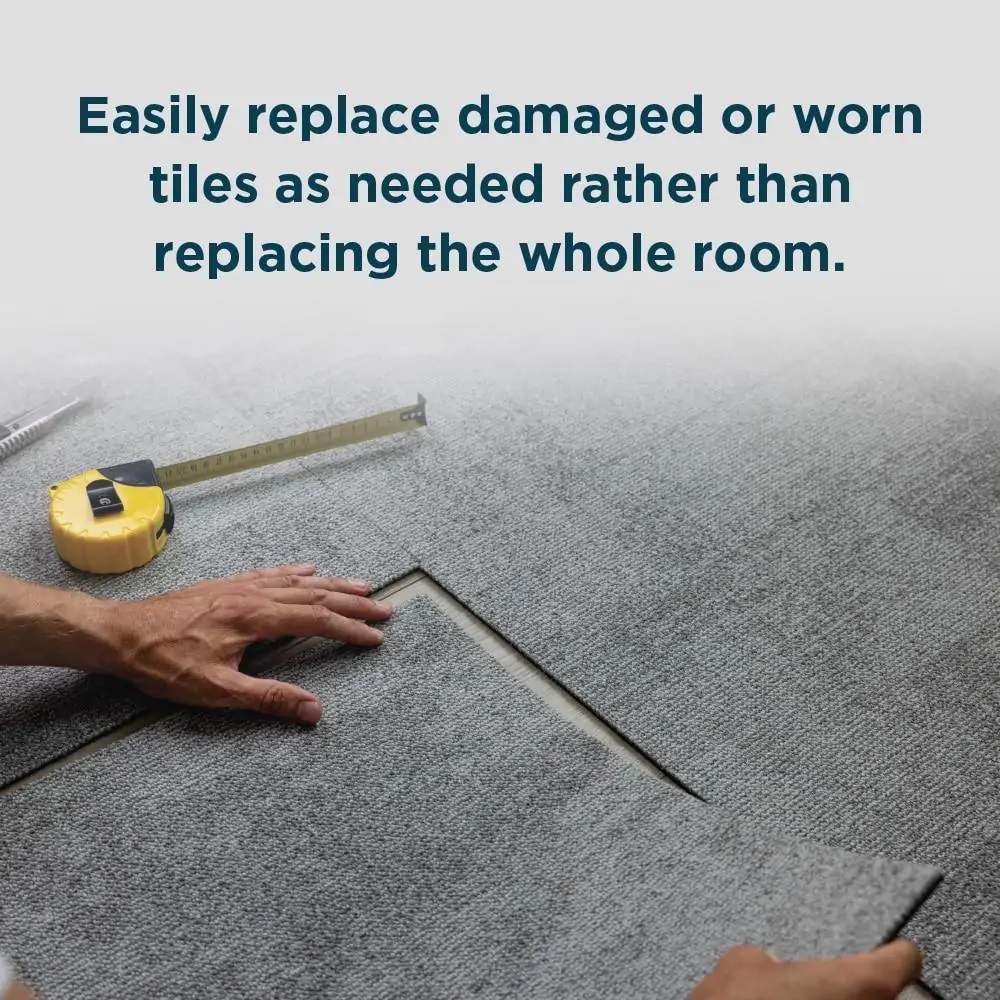
Carpet tiles provide a soft surface, improved acoustic comfort, modular design flexibility, and the ability to replace individual damaged tiles. LVT offers a hard, easy-to-clean surface, strong resistance to everyday spills, and a wide range of wood, stone, and concrete visuals.
So, which one is better?
The answer depends on the space, traffic conditions, cleaning requirements, acoustic expectations, and project budget. In many commercial projects, the most practical solution is not choosing one material for the entire building. It is combining carpet tiles and LVT in different zones.
This guide compares carpet tiles vs LVT flooring in detail, helping architects, interior designers, contractors, project managers, and commercial flooring buyers make a more informed decision.

1. What Are Carpet Tiles and LVT Flooring?
Before comparing their performance, it is important to understand how these two flooring materials are constructed.
What Are Carpet Tiles?
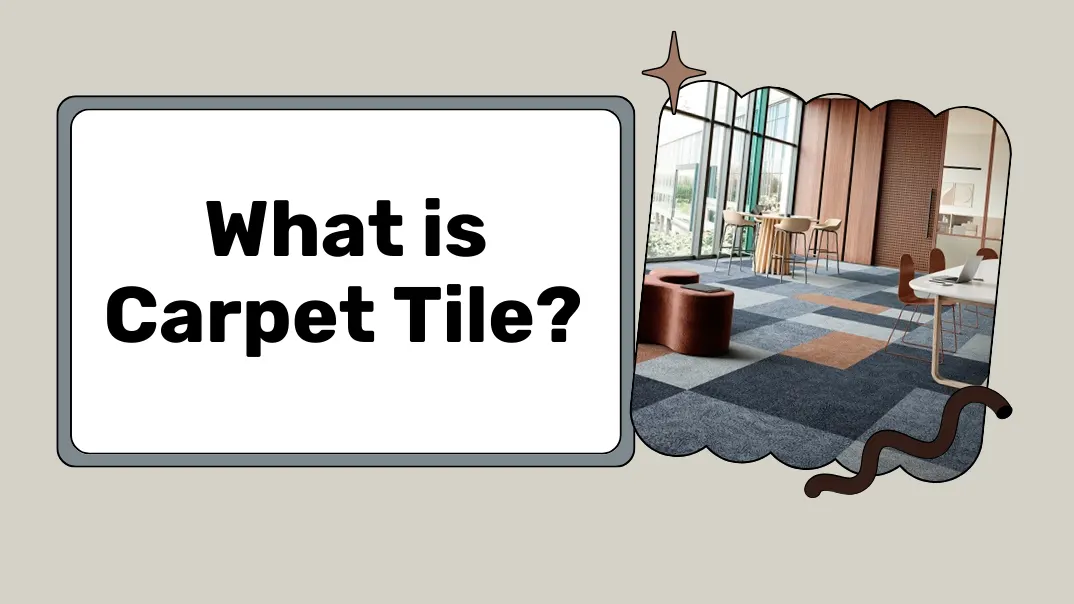
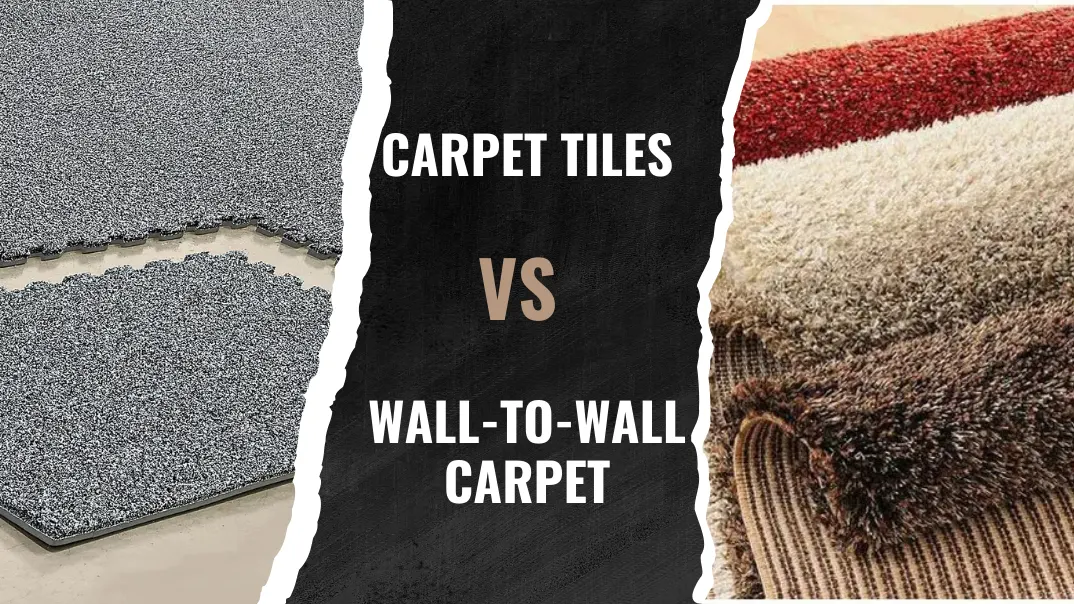
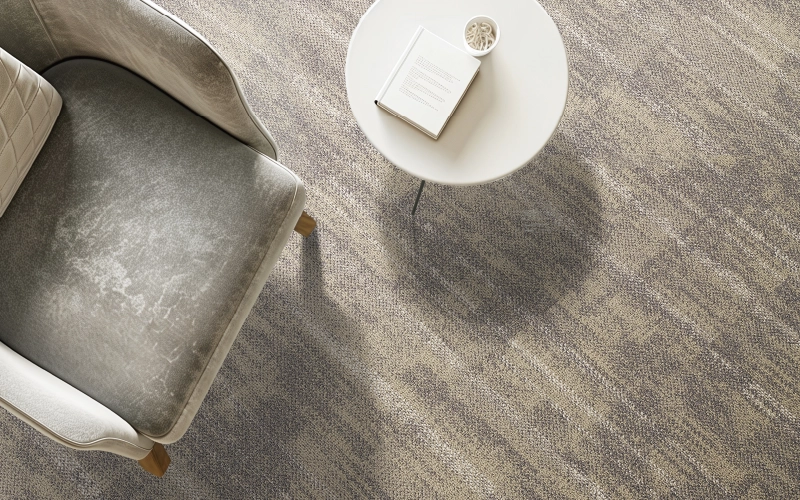
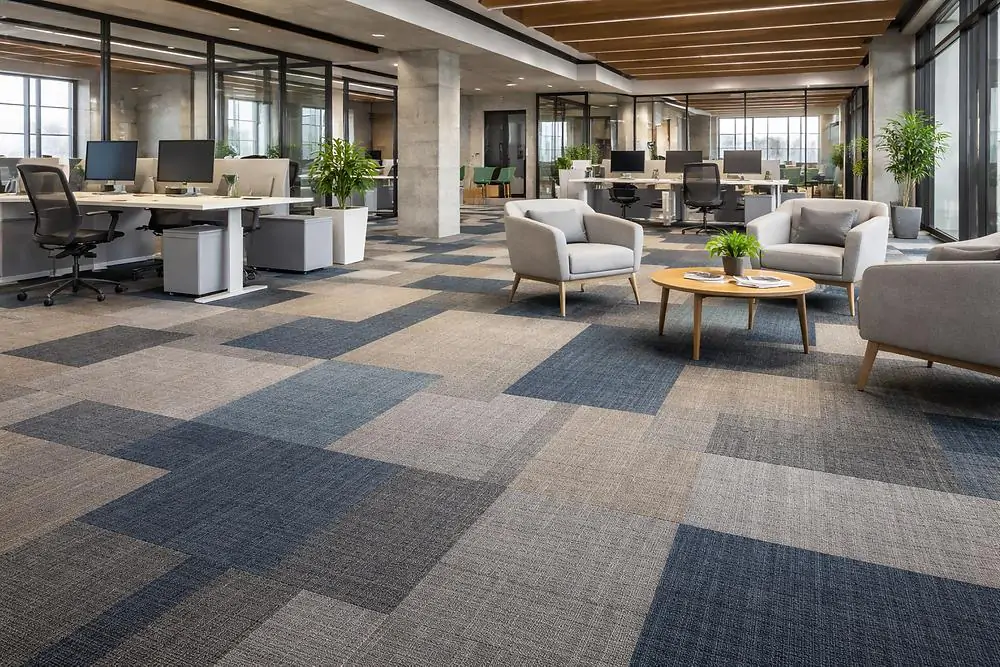
Carpet tiles are modular sections of carpet manufactured in individual squares or rectangular planks. Unlike traditional broadloom carpet, which is supplied in large rolls, carpet tiles are installed piece by piece.
Common commercial carpet tile formats include:
50 × 50 cm square carpet tiles
60 × 60 cm square carpet tiles
25 × 100 cm carpet planks
Other custom modular formats
A typical carpet tile consists of a carpet face, a backing system, and sometimes additional reinforcement or cushioning layers.
The face fiber may be nylon, polypropylene (PP), polyester, or a fiber blend. The backing can be PVC, bitumen, polyolefin, or another engineered material, depending on the manufacturer’s product range.
Carpet tiles are widely specified for:
Corporate offices
Meeting rooms
Libraries
Classrooms
Hotel corridors
Commercial workspaces
Co-working spaces
Conference and collaboration areas
Their main advantages are modularity, acoustic comfort, design flexibility, and localized replacement.
What Is LVT Flooring?
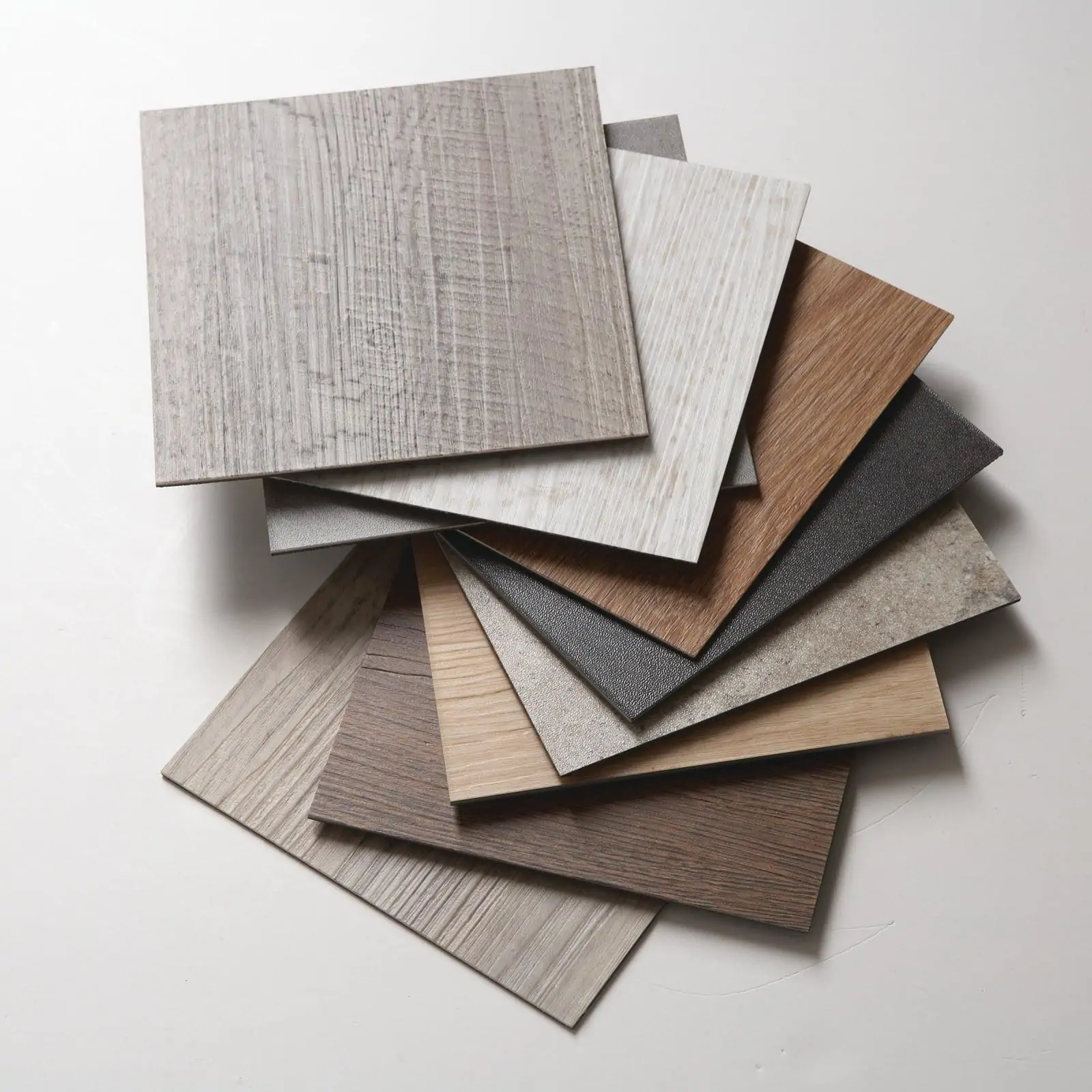
LVT stands for Luxury Vinyl Tile. It is a resilient flooring product designed to reproduce the appearance of natural materials such as wood, stone, and concrete.
LVT is generally manufactured with several functional layers:
Wear layer: A transparent protective layer that helps resist everyday wear and surface damage.
Decorative layer: A printed design that creates the wood, stone, or other visual effect.
Core layer: The vinyl-based structural layer.
Backing layer: The bottom layer that supports the product and contributes to its construction.
LVT is available in different formats and installation systems, including glue-down tiles, glue-down planks, loose-lay products, and click-lock systems.
Common commercial applications include:
Retail stores
Reception areas
Corridors
Cafeterias
Commercial kitchens, where the specified product and installation are suitable
Hotel public areas
Office entrances
Healthcare support areas
LVT is especially attractive in spaces where routine cleaning, spill management, and a hard-surface appearance are important.
2. Carpet Tiles vs LVT Flooring: Quick Comparison
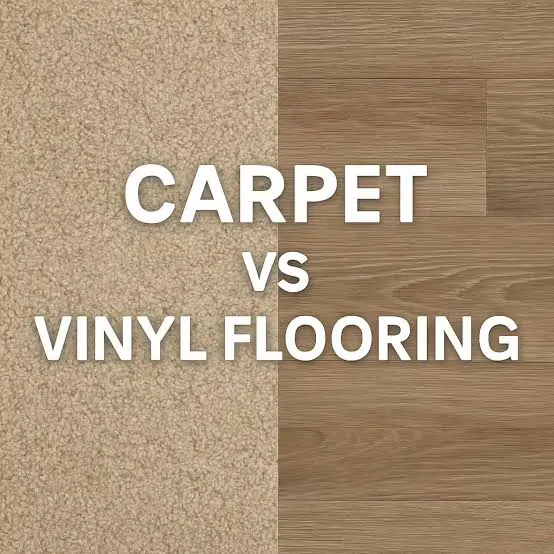
The following table provides an overview of the main differences.
| Comparison Factor | Carpet Tiles | LVT Flooring |
|---|---|---|
| Surface | Soft textile surface | Hard resilient surface |
| Underfoot comfort | Generally softer | Generally firmer |
| Acoustic comfort | Helps absorb sound | Reflects more sound unless specially engineered |
| Everyday spills | Requires prompt attention | Usually easier to wipe clean |
| Moisture suitability | Depends on fiber, backing, joints, and subfloor | Many products offer strong water resistance |
| Individual replacement | Damaged tiles can often be replaced individually | Individual planks or tiles may be replaceable, depending on installation |
| Design options | Colors, textures, patterns, modular layouts | Wood, stone, concrete, and abstract visuals |
| Maintenance | Regular vacuuming and periodic deep cleaning | Sweeping and damp mopping with approved products |
| Installation | Modular installation | Glue-down, loose-lay, or click systems |
| Best-known advantage | Comfort, acoustics, and modularity | Cleanability and hard-surface performance |
Neither flooring type is universally superior. The right selection depends on the requirements of each application.
3. Durability: Which Flooring Handles Heavy Commercial Traffic Better?
Durability is one of the most important factors when selecting flooring for offices, hotels, schools, and public buildings.
However, comparing carpet tiles and LVT simply by asking which material lasts longer can be misleading. Their performance is affected by product construction, traffic type, maintenance, installation quality, and the conditions of the subfloor.
Carpet Tile Durability
Commercial carpet tiles are designed for regular foot traffic and repeated use.
Their durability depends on several factors:
Face fiber type
Yarn quality
Pile construction
Tuft density
Total product construction
Backing stability
Installation method
Maintenance frequency
Nylon is commonly selected for demanding commercial applications because of its resilience and recovery characteristics. Polypropylene can be a practical option for projects where budget and specific performance requirements are important. Polyester is another available option, although its suitability should be evaluated against the expected traffic and maintenance conditions.
For high-traffic offices, buyers should examine the actual product specifications rather than relying on descriptions such as “commercial grade” or “heavy duty.”
Important questions include:
What is the pile construction?
What fiber is used?
What is the total product weight?
What backing system is specified?
Are relevant wear and dimensional stability test results available?
Is the product approved for the intended traffic level?
A well-specified commercial carpet tile can provide reliable service in offices, meeting rooms, libraries, and many other indoor environments.
LVT Durability
LVT is designed to withstand daily use through its resilient construction and protective wear layer.
Its performance is influenced by:
Wear layer thickness
Surface coating
Core construction
Product quality
Installation method
Subfloor preparation
Cleaning practices
A thicker wear layer may be appropriate for demanding commercial applications, but it should not be treated as the only measure of product quality.
The complete product specification matters. A commercial buyer should check the manufacturer’s abrasion, dimensional stability, indentation, and other relevant performance data.
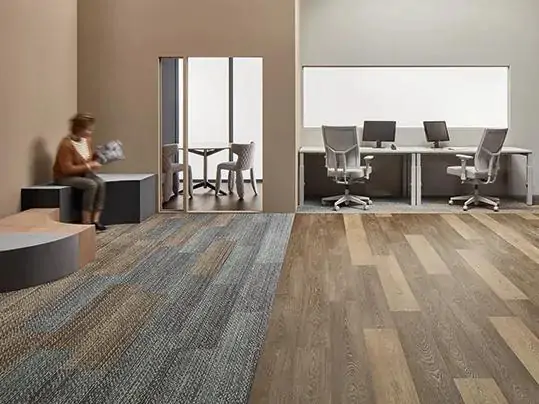
Which Is Better for Heavy Traffic?
Both can perform well when correctly specified.
Carpet tiles are suitable for many office and educational environments where foot traffic is combined with stationary work, meetings, and collaboration.
LVT is often a practical choice for entrances, circulation areas, retail environments, and locations where hard-surface cleaning is preferred.
For areas with rolling loads, furniture movement, heavy carts, or concentrated traffic, the buyer should review the relevant test data and installation recommendations for the exact product.
Practical recommendation: Do not select flooring based only on the number of people using a room. Consider what those people are doing, what equipment moves across the floor, and how frequently the surface will be cleaned.
4. Acoustic Performance: Carpet Tiles or LVT for a Quieter Office?
Acoustic comfort is a major reason commercial designers continue to specify carpet tiles.
Modern offices often contain open-plan workstations, meeting areas, phone booths, and collaborative spaces. In these environments, unwanted sound can affect concentration and communication.
Why Carpet Tiles Help with Office Acoustics
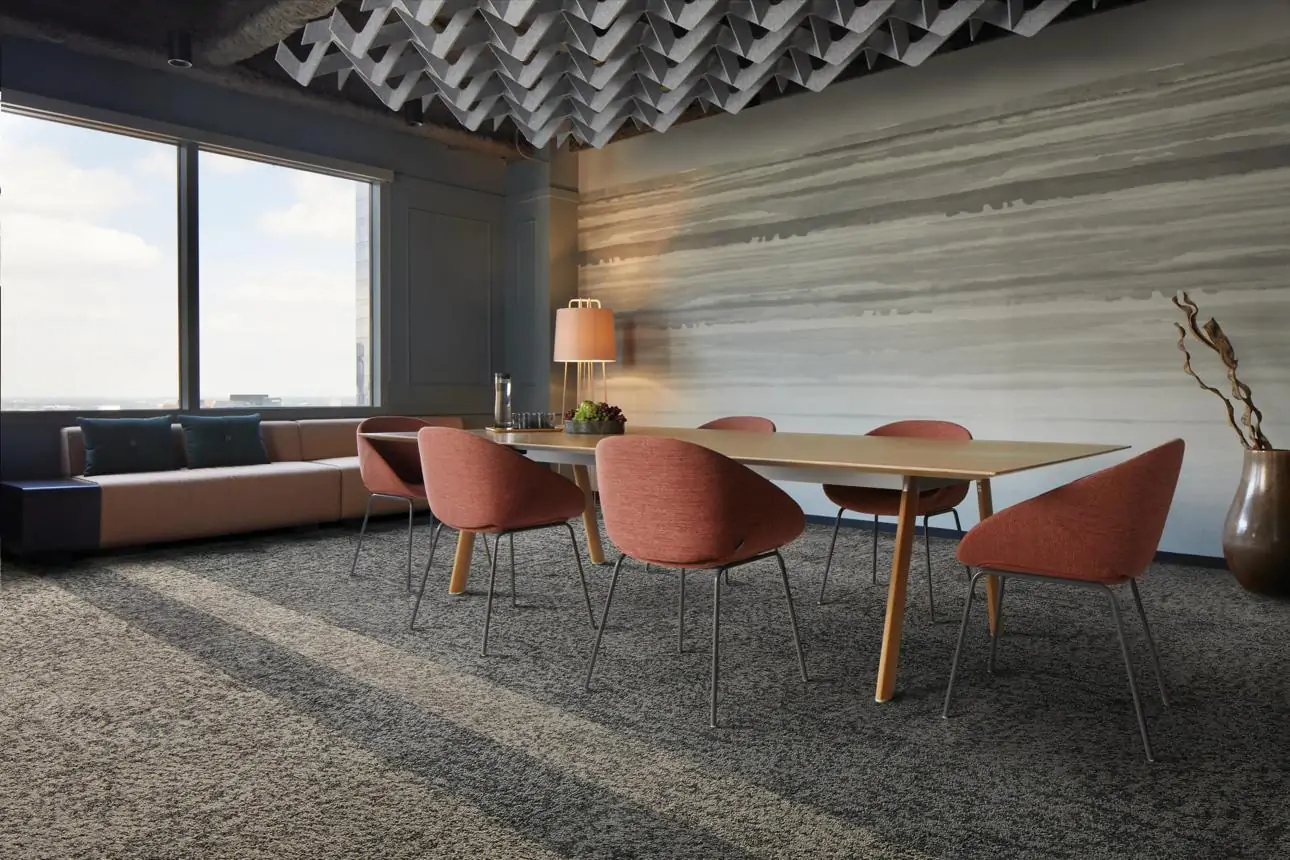
Carpet tile is a textile surface. Its fibers can absorb some airborne sound and reduce the high-frequency reflections associated with hard surfaces.
Depending on the complete flooring construction, carpet tiles can also reduce impact noise generated by footsteps and chair movement.
Potential benefits include:
A more comfortable acoustic environment
Less footfall noise
Reduced sound reflection from the floor
Improved comfort in open-plan workspaces
A more suitable surface for libraries and quiet study areas
However, acoustic performance is not identical across all carpet tiles. Fiber construction, pile characteristics, backing, and the complete floor assembly all influence the result.
When acoustic performance is a project requirement, request relevant test reports rather than relying on general product descriptions.
Why LVT Can Produce More Reflected Sound
LVT has a hard surface, so it generally reflects more sound than textile flooring.
In an office with large areas of LVT, sound from footsteps, moving chairs, and conversations may be more noticeable, particularly when the room also contains glass walls, exposed ceilings, and other reflective surfaces.
Some LVT products incorporate acoustic underlays or specialized backing systems. These may improve certain acoustic properties, but performance must be verified through testing of the specified product and assembly.
Best Choice for Open-Plan Offices
For open-plan offices, carpet tiles are often a strong choice in:
Workstation areas
Meeting rooms
Quiet zones
Libraries
Collaborative spaces
LVT may be more suitable for entrances, pantries, circulation routes, and other areas where cleaning is a priority.
A combination of the two materials can help balance acoustic comfort and practical maintenance.
5. Water Resistance and Spill Management
Water resistance is one of the clearest differences between carpet tiles and LVT.
LVT: Easier to Clean After Spills
Many LVT products have a water-resistant or waterproof construction. Their non-porous surface is generally easy to wipe clean when drinks, food, or other everyday liquids are spilled.
This makes LVT a practical option for:
Office pantries
Reception areas
Retail spaces
Cafeterias
Certain healthcare support areas
Circulation zones exposed to frequent cleaning
However, the term “waterproof” must be interpreted carefully. It may describe the flooring product itself, not the entire installed floor assembly.
Water can still reach the subfloor through joints, edges, transitions, or installation defects. The suitability of LVT for wet environments must be confirmed with the manufacturer.
Carpet Tiles: What Happens When Liquid Is Spilled?
Carpet tiles are textile products, so spills require a different maintenance approach.
The response depends on:
Fiber type
Stain resistance treatment
Backing construction
Type of liquid
Time before cleaning
Installation and subfloor conditions
Some commercial carpet tiles are designed with stain-resistant properties, but this does not make every product stain-proof or waterproof.
If a spill occurs, it should be addressed promptly using the cleaning method recommended by the manufacturer.
One advantage of modular carpet tiles is that a severely stained or damaged tile may be replaceable without removing the entire floor.
Which Is Better for Moisture-Prone Areas?
LVT is generally the more practical option where frequent wet cleaning or routine liquid spills are expected.
Carpet tiles are better suited to areas where textile comfort and acoustics are valuable and where moisture exposure can be controlled.
For projects with moisture risks, buyers should also assess the subfloor. Concrete moisture conditions, waterproofing, and installation requirements can affect both flooring types.
6. Maintenance: Which Flooring Is Easier to Maintain?
Maintenance costs can have a significant effect on the total cost of commercial flooring.
The easiest flooring to maintain is not necessarily the one that requires the least cleaning. Buyers should consider cleaning frequency, equipment, labor, replacement procedures, and the availability of spare materials.
Carpet Tile Maintenance
Regular carpet tile maintenance usually includes:
Daily or routine maintenance
Vacuuming
Removing loose dirt and debris
Spot cleaning visible stains
Cleaning entrance areas more frequently
Periodic maintenance
Deep cleaning according to the manufacturer’s recommendations
Inspection of high-traffic areas
Replacement of damaged or heavily stained tiles
Checking transitions and edges
A practical carpet tile maintenance plan should identify the areas that experience the most traffic and require more frequent attention.
Entrance areas, corridors, and spaces near food or drink stations may need more frequent cleaning than meeting rooms or private offices.

LVT Maintenance
LVT maintenance generally involves:
Removing dust and loose debris
Sweeping or vacuuming with suitable equipment
Damp mopping
Using approved cleaning solutions
Removing stubborn marks according to manufacturer instructions
LVT does not require carpet extraction cleaning, which can simplify routine maintenance.
However, its surface still needs protection from abrasive dirt, unsuitable cleaning chemicals, dragging furniture, and excessive point loads.
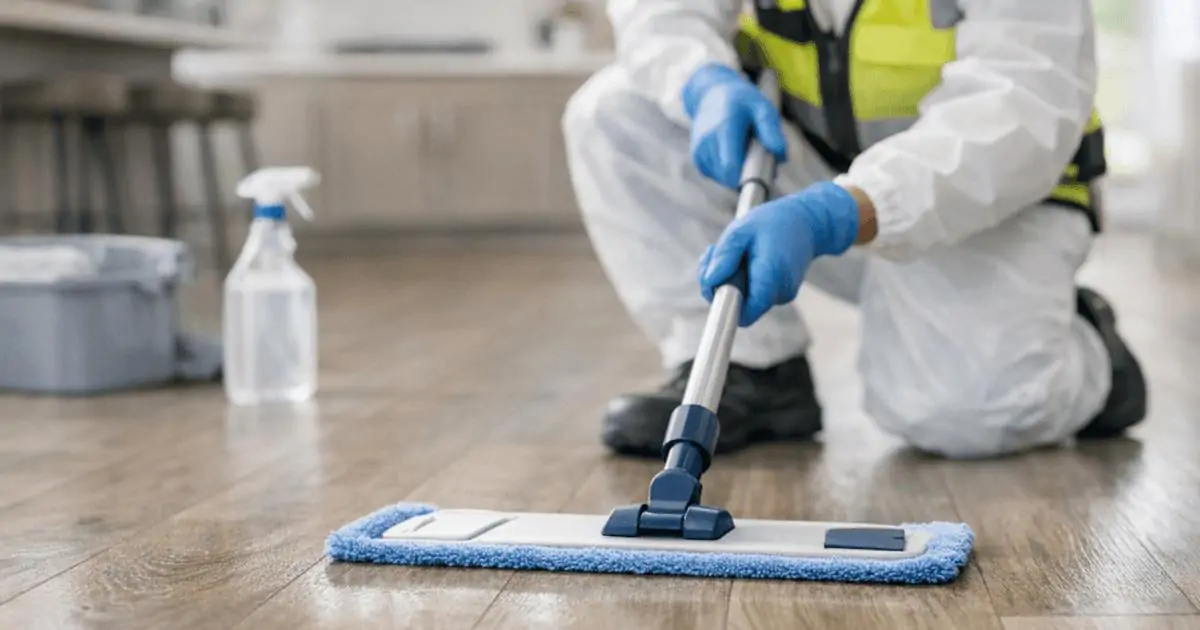
Maintenance Comparison
| Maintenance Task | Carpet Tiles | LVT |
|---|---|---|
| Daily dust removal | Vacuuming | Sweeping or vacuuming |
| Liquid spills | Prompt spot cleaning | Usually easy to wipe |
| Deep cleaning | Periodic carpet cleaning | Routine damp cleaning |
| Stain management | Depends on fiber and treatment | Depends on surface finish |
| Localized repair | Replace individual tiles when feasible | Replace individual pieces when feasible |
| Furniture protection | Appropriate chair mats or protection may be needed | Suitable floor protection may be needed |
Important: Always follow the maintenance instructions supplied for the exact product. Different fibers, backing systems, surface coatings, and installation methods may require different procedures.
7. Installation: Carpet Tiles vs LVT
Installation quality affects the appearance, stability, and service life of commercial flooring.
Although both products are available in modular formats, their installation requirements are different.
Carpet Tile Installation
A typical carpet tile installation process includes:
Inspect the subfloor.
Confirm that the surface is clean, dry, sound, and sufficiently level.
Check moisture conditions against the flooring and adhesive requirements.
Establish the installation starting point and layout.
Apply the specified adhesive or installation system.
Install tiles according to the selected laying pattern.
Cut perimeter tiles accurately.
Roll or press the floor where required by the installation instructions.
Inspect joints, alignment, and transitions.
Common carpet tile installation patterns include:
Monolithic installation
Quarter-turn installation
Ashlar installation
Brick installation
Random installation
The selected pattern can change the visual effect of the finished floor.
For example, a monolithic layout creates a consistent directional appearance, while quarter-turn installation can produce a more varied visual texture.

LVT Installation
LVT installation depends on the product type.
Common methods include:
Full-spread adhesive installation
Loose-lay installation
Click-lock installation
Glue-down LVT is frequently used in commercial projects where a stable, permanently installed surface is required.
Before installation, the contractor must confirm:
Subfloor flatness
Moisture conditions
Surface cleanliness
Adhesive compatibility
Temperature and acclimation requirements
Expansion requirements where applicable
Click-lock and loose-lay products have their own preparation and installation rules.
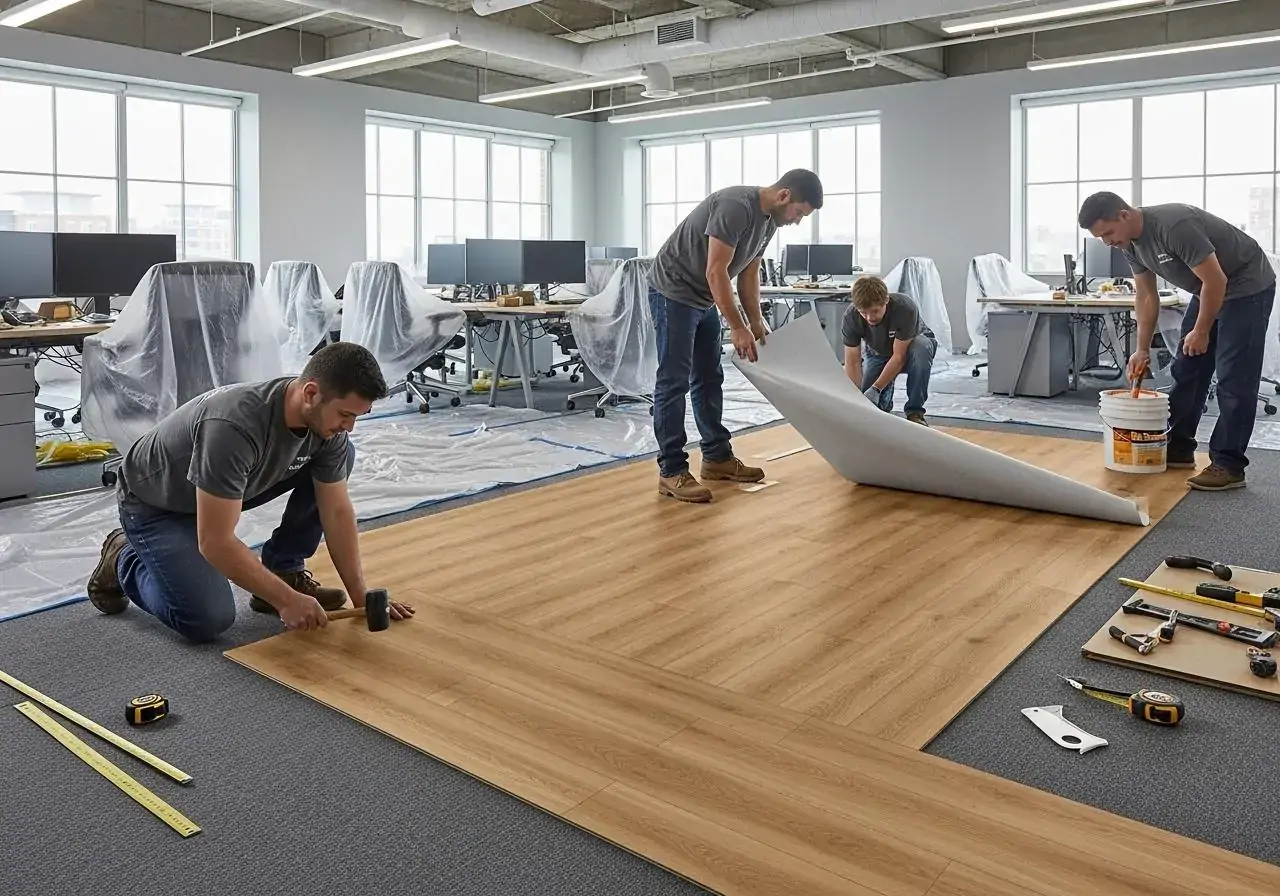
Which Is Easier to Install?
There is no universal answer.
Carpet tiles are relatively easy to handle and can be convenient for phased commercial installations. LVT installation can be efficient when the subfloor is properly prepared and the selected installation system suits the project.
Labor costs depend on local installer experience, project geometry, preparation requirements, installation pattern, and the complexity of transitions.
Buyers should compare complete installation quotations rather than material prices alone.
8. Design Flexibility: Which Flooring Offers More Design Options?
Flooring contributes significantly to the visual identity of a commercial interior.
Carpet tiles and LVT offer different design possibilities.
Carpet Tile Design Options
Carpet tiles are available in a wide range of:
Solid colors
Linear patterns
Geometric designs
Textured surfaces
Multi-color combinations
Organic patterns
Carpet planks
Mixed-format layouts
Because carpet tiles are modular, designers can combine colors and patterns to create visual zones without installing permanent partitions.
For example, an office can use:
Darker carpet tiles in circulation paths
Neutral colors in workstation areas
Accent colors in collaboration spaces
Distinctive patterns in meeting rooms
This makes carpet tiles a useful design tool for flexible commercial interiors.

LVT Design Options
LVT is particularly effective when a project requires the appearance of natural hard-surface materials.
Popular designs include:
Natural oak
Walnut
Stone
Marble
Concrete
Terrazzo
Ceramic-inspired patterns
Wood-look LVT is commonly used to create a warm, residential-inspired appearance in commercial interiors.
Stone-look LVT can support a more formal or minimalist design.

Which Is Better for Creative Commercial Interiors?
Both materials offer substantial design flexibility.
Carpet tiles are especially useful when the design requires textile texture, acoustic zoning, and combinations of different colors or patterns.
LVT is often preferred when the design calls for wood or stone visuals and a continuous hard-surface appearance.
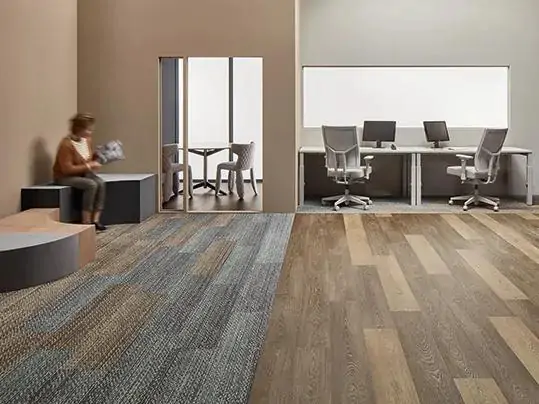
For large commercial projects, designers can also combine the two materials to create a more functional and visually organized space.
9. Carpet Tiles vs LVT: Which Is More Cost-Effective?
Price is a major consideration for contractors, developers, distributors, and commercial flooring buyers.
However, comparing only the price per square meter can lead to an inaccurate purchasing decision.
A complete flooring budget should include:
Material cost
Transportation
Subfloor preparation
Adhesive and accessories
Installation labor
Cleaning and maintenance
Repair and replacement
Project downtime
Disposal and renovation costs
Initial Material Cost
The price of carpet tiles varies according to:
Fiber type
Yarn quality
Pile construction
Total weight
Backing system
Product design
Order quantity
Customization requirements
LVT prices vary according to:
Product thickness
Wear layer
Core construction
Surface treatment
Design and printing quality
Installation system
Order quantity
Neither category is automatically cheaper. The actual comparison should be based on products with similar commercial performance requirements.
Installation Cost
Installation costs vary by market and project conditions.
Carpet tiles may reduce handling difficulties because individual modules are easier to transport and position than large carpet rolls.
LVT may be efficient to install in large, regular spaces, but subfloor preparation can have a significant effect on the total installation cost.
A project with an uneven or poorly prepared subfloor may require additional work before either product can be installed.
Long-Term Replacement Cost
One advantage of carpet tiles is the ability to replace individual damaged modules when matching replacement stock is available.
For example, if several tiles near an office entrance become stained, the contractor may be able to replace those tiles rather than removing a large section of flooring.
LVT can also allow localized replacement, depending on the installation method, product availability, and condition of adjacent pieces.
In both cases, retaining spare material from the original production batch can make future repairs easier.
How to Calculate Total Cost of Ownership
A useful purchasing approach is to calculate the expected cost over the planned service period.
Total flooring cost = Initial material cost + Installation cost + Maintenance cost + Repair and replacement cost
For a more complete project evaluation, also consider downtime and the operational impact of maintenance or replacement.
A lower initial quotation does not always represent the lowest long-term cost.

10. Which Flooring Is Better for Different Commercial Applications?
The best flooring material depends on the activities taking place in each area.
The following recommendations provide a starting point for commercial project planning.
Office Flooring
<PRIVATE_PERSON>Carpet tiles are often a strong choice for open-plan offices, workstation areas, meeting rooms, and collaboration spaces because of their acoustic and underfoot comfort.
LVT is practical for entrances, pantry areas, and selected circulation zones.
Recommended approach: Use carpet tiles in work areas and LVT in locations where easy cleaning and hard-surface performance are priorities.
Hotel Flooring
Hotels contain different functional zones, including reception areas, guest corridors, meeting rooms, restaurants, and service spaces.
Carpet tiles may be suitable for selected meeting rooms, business centers, and office areas. LVT can be considered for reception zones, corridors, and other areas where the design and maintenance requirements support a hard surface.
The choice for guest rooms and other hospitality areas should be evaluated separately, based on acoustic comfort, appearance, cleaning procedures, and the hotel’s operating model.
Recommended approach: Select flooring by zone rather than specifying one material throughout the property.
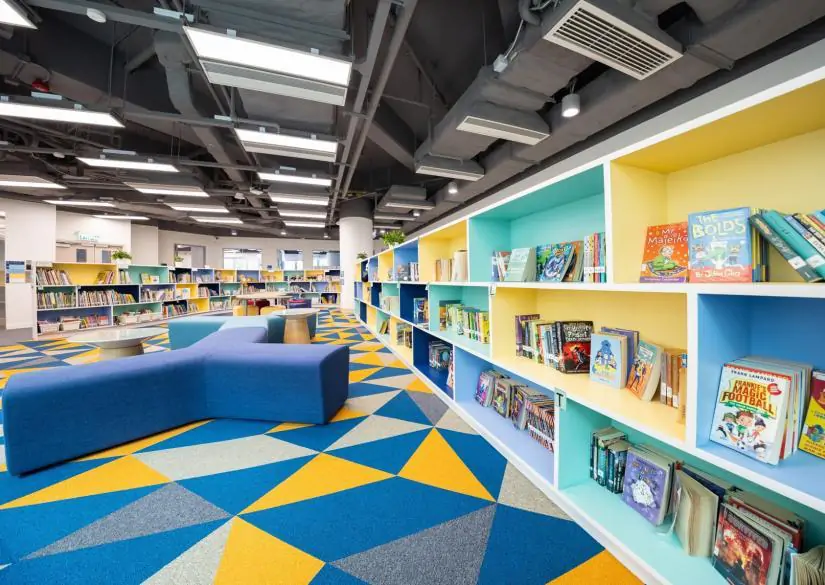
School and Educational Flooring
Schools need flooring that can accommodate students, furniture movement, frequent cleaning, and different learning activities.
Carpet tiles can be suitable for:
Libraries
Reading areas
Quiet study rooms
Selected classrooms
Staff offices
LVT may be appropriate for:
Corridors
Cafeterias
Reception areas
Activity spaces
Other areas requiring regular hard-surface cleaning
Recommended approach: Combine textile flooring and hard surfaces according to the needs of each educational zone.
Retail Flooring
Retail environments experience frequent foot traffic, merchandise movement, and occasional spills.
LVT is often a practical choice for sales floors and circulation areas where cleanability and wood- or stone-look designs are important.
Carpet tiles may be used in selected fitting areas, offices, or customer consultation spaces where textile comfort is desirable.
Recommended approach: Prioritize cleanability and traffic performance in the main sales area, while considering carpet tiles in selected low-spill zones.
Healthcare and Medical Support Areas
Healthcare projects have strict requirements for hygiene, cleaning, infection prevention, and material suitability.
LVT or other specified resilient flooring products are often considered for areas requiring frequent wet cleaning.
Carpet tiles should only be considered in areas where the project specification, infection-control policy, and facility requirements permit textile flooring.
Recommended approach: Follow the facility’s infection-control requirements and the relevant flooring specification. Do not select carpet tiles solely for acoustic or aesthetic reasons in areas where they are unsuitable.
Co-Working Spaces
Co-working spaces combine workstations, meeting rooms, lounges, reception areas, and shared facilities.
Carpet tiles can help create comfortable work zones and improve the acoustic experience.
LVT can define entrance areas, pantry zones, and other spaces that require convenient cleaning.
Recommended approach: Use both materials to distinguish different activities while maintaining a consistent interior design.
11. Why More Commercial Projects Are Combining Carpet Tiles and LVT
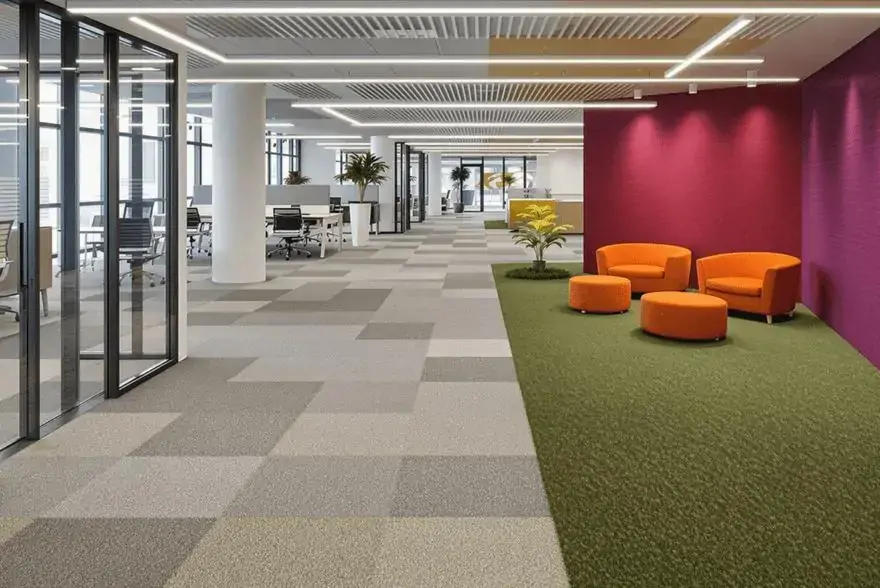
The discussion is often presented as carpet tiles versus LVT, but commercial flooring design does not have to be an either-or decision.
A mixed flooring plan can use the advantages of each material in the locations where they are most valuable.
Consider a 2,000-square-meter office renovation.
Instead of installing one flooring type throughout the building, the designer could divide the floor into functional zones.
| Office Area | Suggested Flooring | Main Reason |
|---|---|---|
| Main entrance | LVT | Easier routine cleaning |
| Reception | LVT or carpet tiles | Depends on visual and maintenance requirements |
| Open-plan workstations | Carpet tiles | Acoustic comfort |
| Meeting rooms | Carpet tiles | Underfoot comfort and sound absorption |
| Pantry | LVT | Easier spill management |
| Corridors | LVT or carpet tiles | Depends on traffic and cleaning conditions |
| Collaboration areas | Carpet tiles | Design flexibility and zoning |
| Storage and service rooms | Project-specific flooring | Functional requirements |
This approach offers several benefits.
Better Functional Zoning
Different areas have different flooring needs.
A pantry should not necessarily use the same material as a quiet meeting room. A reception area may prioritize visual appearance, while a workstation area may place greater importance on acoustic comfort.
Using two flooring materials allows the design to respond to these differences.
More Effective Space Planning
Different floor finishes can visually define spaces without constructing additional walls.
For example, carpet tiles can identify workstation zones, while LVT can mark circulation paths and shared facilities.
Balanced Maintenance Requirements
Hard surfaces can be concentrated in areas with frequent spills or wet cleaning.
Carpet tiles can be used where textile comfort and acoustic performance are more valuable.
Greater Design Flexibility
Designers can coordinate carpet tile colors with the wood or stone visuals of LVT to create a unified interior.
The key is to plan the transitions carefully and confirm that both flooring systems are compatible in terms of finished height, installation details, and maintenance requirements.
12. Common Mistakes When Choosing Between Carpet Tiles and LVT
Even experienced buyers can make flooring decisions based on incomplete information.
The following mistakes can increase project costs and create maintenance problems.
Mistake 1: Choosing Flooring Based Only on Price
A low material price may look attractive, but the product may not meet the project’s traffic, acoustic, or maintenance requirements.
Compare products with equivalent specifications and include installation and lifecycle costs in the evaluation.
Mistake 2: Using One Flooring Type Throughout the Building
A single flooring material may not be appropriate for every area.
For example, using LVT throughout an open-plan office may create an acoustic environment that does not meet the user’s expectations.
Using carpet tiles in every area may also create unnecessary cleaning challenges in spaces exposed to frequent spills.
Develop a room-by-room or zone-by-zone flooring schedule.
Mistake 3: Ignoring Subfloor Conditions
Both carpet tiles and LVT require suitable subfloor conditions.
Moisture, unevenness, contamination, cracks, and inadequate surface preparation can affect installation results.
Always check the manufacturer’s requirements before installation.
Mistake 4: Assuming All Carpet Tiles Have the Same Performance
Carpet tiles differ in fiber, construction, backing, weight, and test performance.
A low-cost polypropylene product and a high-performance nylon product should not be treated as interchangeable without reviewing their specifications.
Mistake 5: Comparing LVT by Total Thickness Alone
A thicker LVT product is not automatically better.
Wear layer, core construction, dimensional stability, surface treatment, and relevant test results should all be reviewed.
Mistake 6: Forgetting Spare Material
Commercial flooring may need localized repair during its service life.
For carpet tiles and LVT, retaining spare material from the original production batch can help maintain a consistent appearance.
Buyers should discuss spare quantities and storage conditions before placing the order.
Mistake 7: Not Checking Installation Compatibility
When carpet tiles and LVT are installed next to each other, differences in finished height may create transition problems.
The project team should confirm:
Finished floor height
Subfloor preparation
Adhesive compatibility
Transition profiles
Door clearances
Installation sequence
These details should be resolved before construction begins.
13. Commercial Carpet Tile Buying Checklist
If carpet tiles are selected for your project, the following checklist can help you evaluate suppliers and products.
Product Construction
Confirm the carpet tile dimensions.
Confirm the face fiber: nylon, polypropylene, polyester, or a blend.
Review pile construction and total product weight.
Confirm the backing material.
Check product thickness and dimensional stability.
Review the manufacturer’s installation instructions.
Performance Requirements
Confirm suitability for the intended traffic level.
Review relevant wear and appearance-retention data.
Check stain resistance and cleaning requirements.
Review acoustic test data if sound control is important.
Check fire performance against local project requirements.
Request relevant indoor air quality and emissions documentation.
Design and Samples
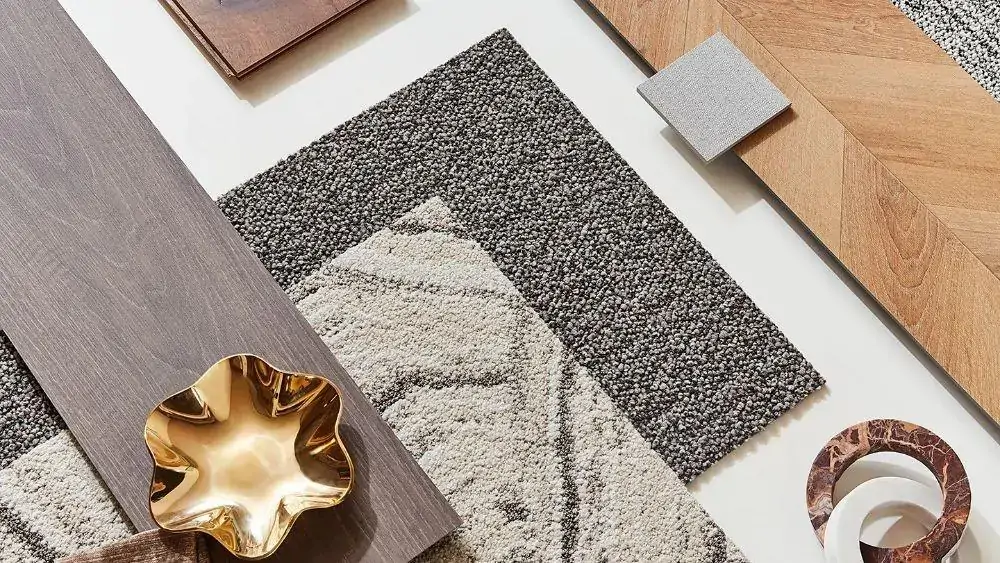
Request physical samples.
Confirm color and pattern consistency.
Review the product under the actual project lighting.
Test the proposed installation direction and pattern.
Confirm compatibility with adjacent LVT or other flooring.
Supplier and Project Management
Confirm production capacity.
Check minimum order quantity.
Confirm sample and production lead times.
Request product data sheets and test reports.
Confirm packaging and shipping arrangements.
Discuss spare tiles for future maintenance.
Confirm inspection and quality-control procedures.
A structured checklist helps reduce specification gaps and makes supplier quotations easier to compare.
14. How to Choose a Reliable Commercial Carpet Tile Supplier
When carpet tiles are part of a commercial project, choosing the right supplier is as important as selecting the right product.
A reliable supplier should be able to provide clear technical information, consistent product quality, and practical support throughout the purchasing process.
Check Manufacturing Experience
Ask about the supplier’s production experience, manufacturing facilities, and product range.
A supplier with established commercial flooring experience is more likely to understand the requirements of contractors, distributors, and project buyers.
Review Product Specifications
Do not rely exclusively on a catalogue or promotional description.
Request the technical data sheet, backing details, fiber specifications, and relevant test documentation for the exact product being quoted.
Request Samples Before Mass Production
Samples allow buyers and designers to evaluate color, texture, construction, and visual consistency before confirming a large order.
For projects with multiple colors or patterns, make sure each selected product is identified clearly.
Confirm Customization Capabilities
Commercial projects may require specific colors, patterns, dimensions, or packaging.
Ask whether the supplier can support customized designs, project-based production, and coordinated product selections.
Evaluate Communication and Delivery
Clear communication is essential for international B2B orders.
Before confirming an order, discuss:
Production schedule
Order quantity
Packaging specifications
Inspection arrangements
Shipping method
Delivery expectations
Spare material requirements
A well-organized supplier can help buyers manage these details more efficiently.

15. Why FAMILAI Carpet Tiles Are Worth Considering for Commercial Projects
For commercial buyers who decide that carpet tiles are the right solution, the next step is finding a supplier that can meet the project’s technical, design, and supply requirements.
FAMILAI focuses on commercial carpet tile solutions for offices, hotels, educational facilities, and other business environments.
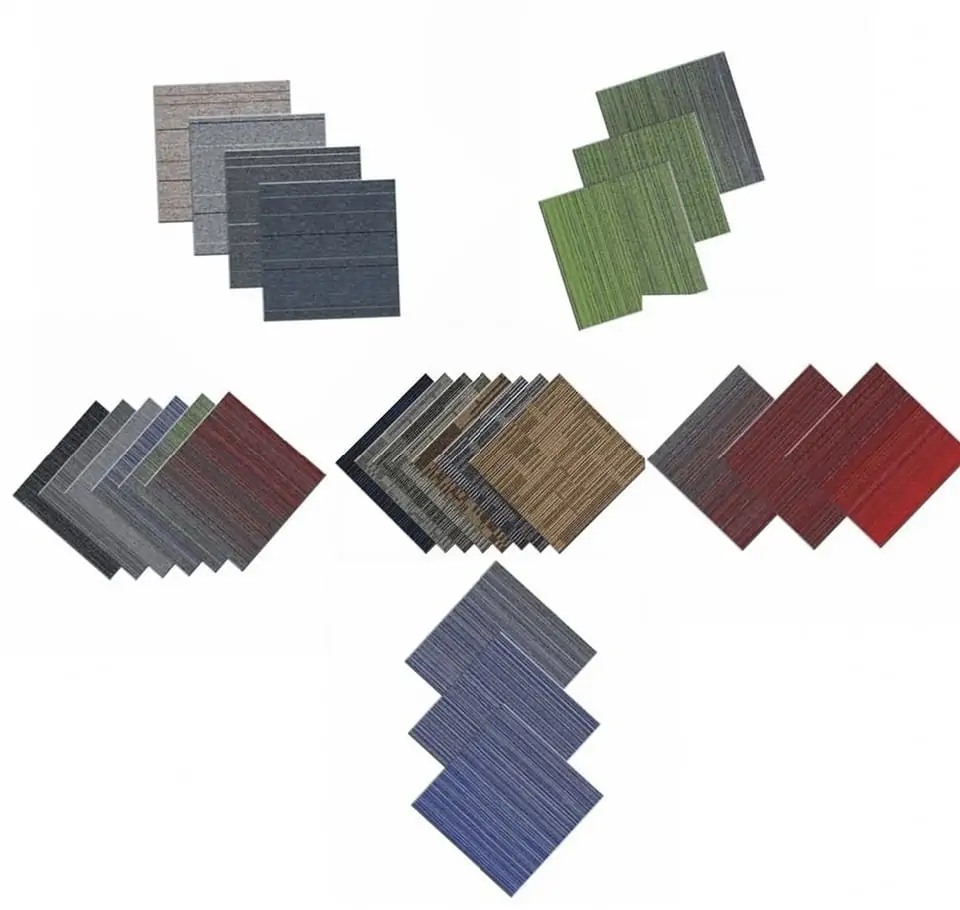
Its product range includes PVC-backed carpet tiles with different fiber, color, pattern, and specification options.
Flexible Product Selection
Different projects require different flooring specifications.
FAMILAI supports product selection based on:
Nylon, polyester, and polypropylene face options
PVC backing configurations
Different colors and patterns
Commercial application requirements
Project quantities and customization needs
The final product should always be selected according to the project’s technical requirements and confirmed specifications.
Support for B2B Buyers
FAMILAI works with:
Flooring distributors
Carpet tile wholesalers
Interior designers
Architects
Commercial contractors
Project managers
Importers and building material suppliers
For buyers evaluating carpet tile options, the team can assist with samples, product specifications, design selection, project quantities, packaging, and production arrangements.
A Practical Approach to Commercial Flooring
The right flooring solution starts with understanding how each space will be used.
If your project requires acoustic comfort, modular design, and the flexibility to replace individual floor tiles, commercial carpet tiles may be a suitable option.
If the project requires a hard surface with convenient routine cleaning, LVT may be more appropriate.
For many commercial interiors, combining the two materials can deliver a more balanced result.
Visit www.hlyidacarpet.com to explore FAMILAI carpet tile solutions or contact the team to discuss your commercial flooring requirements.
16. Frequently Asked Questions About Carpet Tiles vs LVT Flooring
Q1. Are carpet tiles better than LVT?
Carpet tiles are generally better suited to spaces where acoustic comfort, textile texture, and modular replacement are important. LVT is often more suitable for areas where easy cleaning, spill management, and a hard-surface finish are priorities. The better option depends on the application.
Q2. Is LVT cheaper than carpet tiles?
Not necessarily. Both categories have a wide price range depending on product construction, quality, design, and order quantity. Buyers should compare material, installation, maintenance, and replacement costs rather than looking only at the price per square meter.
Q3. Which is better for office flooring: carpet tiles or LVT?
Carpet tiles are often preferred for open-plan workstations, meeting rooms, and collaborative spaces because they offer acoustic and underfoot comfort. LVT is practical for entrances, pantries, and selected circulation areas. Many offices benefit from a combination of both.
Q4. Do carpet tiles absorb sound better than LVT?
Carpet tiles generally absorb more sound at the floor surface than standard LVT because of their textile construction. However, actual acoustic performance depends on the complete flooring system. Request test data when acoustic performance is a formal project requirement.
Q5. Can carpet tiles get wet?
Carpet tiles are not automatically waterproof. Their response to moisture depends on the face fiber, backing, installation, and subfloor conditions. Spills should be cleaned promptly, and the product manufacturer’s moisture and cleaning instructions should be followed.
Q6. Is LVT waterproof?
Many LVT products are designed to resist water, but the performance of the installed floor also depends on joints, edges, transitions, adhesives, and subfloor conditions. Confirm the manufacturer’s exact claims and installation requirements before specifying LVT in wet-prone areas.
Q7. Can carpet tiles be installed next to LVT?
Yes. Carpet tiles and LVT can be combined in one commercial project. The installer should plan the transition, finished floor heights, subfloor preparation, and installation sequence to achieve a safe and clean connection.
Q8. Which flooring is easier to replace?
Carpet tiles are designed as modular products, so individual damaged tiles can often be removed and replaced. Individual LVT pieces may also be replaceable, but the process depends on the installation method and the condition of adjacent flooring.
Q9. Are carpet tiles suitable for schools?
Carpet tiles can be suitable for selected school areas such as libraries, reading rooms, staff offices, and certain classrooms. Corridors, cafeterias, and areas requiring frequent wet cleaning may be better served by hard-surface flooring. Each area should be evaluated against the school’s cleaning, safety, and operational requirements.
Q10. How do I choose between PVC-backed carpet tiles and other backing types?
Compare dimensional stability, weight, installation requirements, moisture considerations, environmental documentation, and total product performance. PVC backing is one common commercial carpet tile construction, but it should be evaluated against the specific project’s requirements rather than assumed to be universally superior.
Q11. Should I order extra carpet tiles for future replacement?
Yes, retaining spare tiles is generally a sensible practice for commercial projects. Keep the spare material properly packaged and stored, and record the product code, color, production batch, and installation pattern.
Q12. What information should I request from a carpet tile manufacturer?
Request a technical data sheet, fiber and backing details, dimensions, weight, installation instructions, maintenance guidance, and relevant test reports. For larger projects, also confirm production capacity, sample availability, lead time, packaging, and inspection arrangements.
Conclusion: Choose Flooring Based on the Function of Each Space
The comparison of carpet tiles vs LVT flooring does not have one universal winner.
Carpet tiles offer acoustic comfort, textile warmth, design flexibility, and convenient modular replacement. LVT provides a hard surface, convenient routine cleaning, and a wide choice of wood and stone visuals.
For commercial projects, the most effective approach is to match flooring to the function of each area.
Use carpet tiles where comfort, acoustics, and modular design are priorities. Consider LVT where easy cleaning, spill management, and hard-surface performance are more important. Where both sets of requirements exist in one building, a coordinated combination may be the most practical solution.
For commercial carpet tile sourcing, samples, product specifications, and project-based quotations, contact FAMILAI at www.hlyidacarpet.com.